

Rural and remote communities
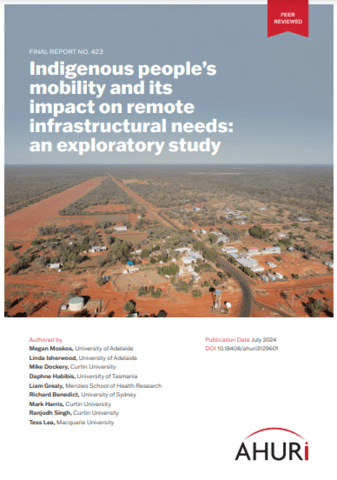
Report
Indigenous people’s mobility and its impact on remote infrastructural needs: an exploratory study
This report explores mobility patterns of Indigenous people living on Country and its impact on the planning of housing, infrastructure and services within remote communities. The research finds increased and improved housing is required for many remote communities.
Briefing paper
Integrating oral health into primary healthcare for improved access to oral health care for rural and remote populations
The burden of oral disease among rural and remote Australians is compelling, and yet, achieving timely access to appropriate oral health care in these areas remains elusive. This brief synthesises evidence regarding the extent of access challenges, and the possible factors impacting on access. It shows that maldistribution of public dental services, long-standing shortage of...
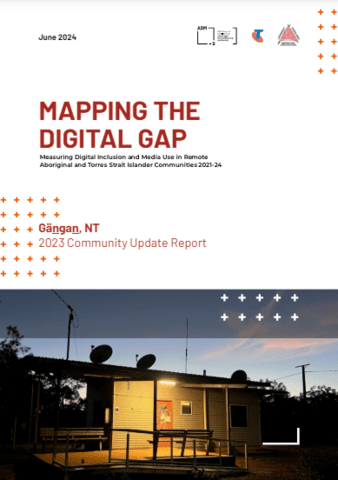
Report
Mapping the digital gap: Gangan NT 2023 community update report
This report outlines updated findings from a second research visit to Gangan Homeland - a remote inland riverside community located in the East Arnhem region of the Northern Territory. The report is intended to assist local and regional agencies, leaders and residents to better understand the barriers to digital inclusion, develop local strategies to address...
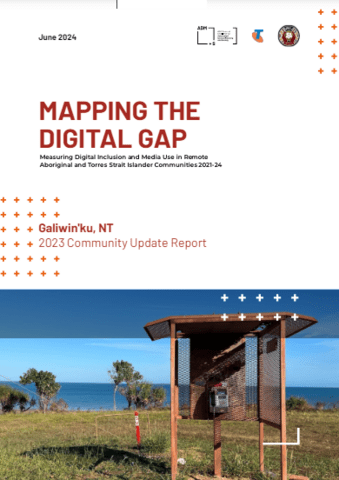
Report
Mapping the digital gap: Galiwin'ku, NT 2023 community update report
This report outlines updated findings from a second research visit to Galiwin’ku community on the southern end of Elcho Island and the largest Yolŋu community in the East Arnhem region of the Northern Territory. This report presents research findings to date, compares survey results from 2022 and 2023, outlines changes in communications and media services...
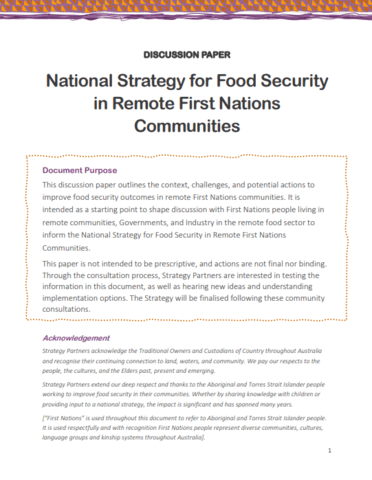
Discussion paper
National strategy for food security in remote First Nations communities: discussion paper
This discussion paper outlines the context, challenges, and potential actions to improve food security outcomes in remote First Nations communities. It is intended as a starting point to shape discussion with First Nations people living in remote communities, governments, and industry operating in the remote food sector to inform a new, national strategy.