

Germany
Survey Report
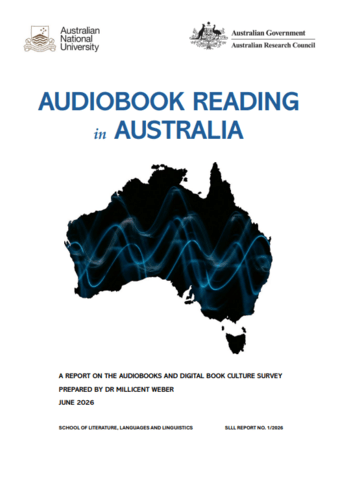
Audiobook reading in Australia
One of the biggest developments in book culture in the 21st century has been the rise of audiobooks. Based on a survey of Australian audiobook consumption in October 2025, this report provides a sense of the shape, size and significance of audiobook reading in Australia, both as a market and as a distinctive community.
Report
Trust Imperative 5.0: building trust in government through practical AI assurance
Governments have moved rapidly from experimenting with artificial intelligence (AI) to deploying it. But a gap has emerged between governments’ ambition to scale AI and their ability to deploy systems with confidence. This report finds that most governments have established AI ethics principles, governance models or national frameworks. The challenge lies in day-to-day execution.
Literature review
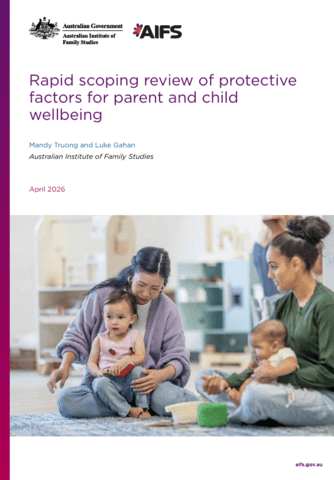
Rapid scoping review of protective factors for parent and child wellbeing
This report summarises the research evidence on protective factors for parent and child wellbeing in the early years (pre-birth to 5 years of age). The evidence shows that a range of programs and interventions can be effective in improving child, parent and family outcomes.

Report
International students in higher education
Australia, Canada, France, Germany, the Netherlands and the United Kingdom have been among the OECD countries with the strongest growth in international student enrolment over the last decade. This report examines the journey and challenges of international students. By comparing six major OECD study destinations, the report highlights both shared challenges and emerging policy responses.
Discussion paper
Measuring social cohesion: conceptual fragmentation and policy consequences
Governments, academics and communities have defined social cohesion through multiple, overlapping lenses. This paper aims to identify tensions in current definitional frameworks. It seeks to inform policy discussions on how to operationalise social cohesion as part of a wider system approach. The paper summarises four international case studies and measurement approaches, including Australia.