

Report
Report
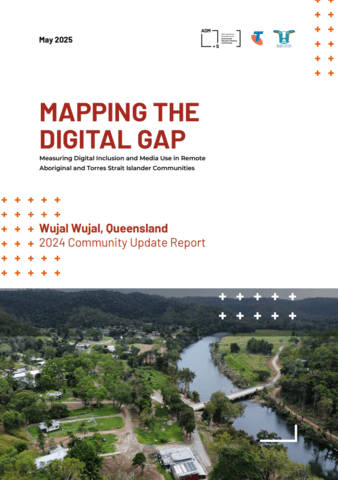
Mapping the digital gap: Wujal Wujal, Queensland 2024 community update report
This report outlines updated findings on digital inclusion in Wujal Wujal, an Aboriginal community located in Far North Queensland. It aims to contribute to a better understanding of the barriers to digital inclusion and the development of local strategies to address these barriers. The report found improvements in internet access since the 2022 survey but...
Report
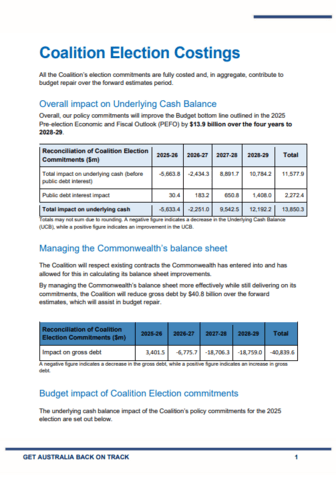
Parliamentary party lists of election commitments
These lists of commitments and their costings for the 2025 Australian federal election were provided to the Parliamentary Budget Officer prior to election day. Lists have been provided by the Australian Greens, Australian Labor Party, the Coalition, and the Independent members for Indi and Kooyong.
Report
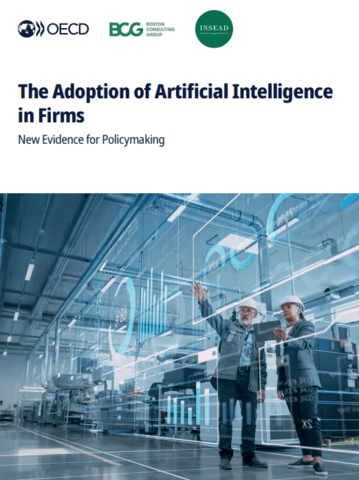
The adoption of artificial intelligence in firms: new evidence for policymaking
Artificial intelligence (AI) could help to address sluggish productivity growth in OECD countries. This report provides evidence for policymakers, business leaders and researchers to help understand the adoption of AI in enterprises and the policies needed to enable this. Achieving higher rates of AI adoption could raise labour productivity and have other desirable outcomes.
Report
What's at stake: the cost of the Coalition’s war on awards
This paper considers the cost of the Coalition’s position in seeking to undermine modern awards. It details how many workers would be directly affected by the Coalition’s proposed changes to modern award coverage and which occupations have the most to lose from such a policy, including brief case studies for key occupations. It also examines...
Report
Between promise and pragmatism: why renewables should lead and nuclear should wait
Australia faces an urgent need to decarbonise its energy grid. This report calls for a balance in approaching this issue. Accelerating renewable energy deployment is critical, yet a pragmatic, evidence-based approach must also consider all low-emission technologies, including nuclear, to ensure a resilient, affordable and sustainable energy future. It provides four recommendations.