

Organisation
OECD Publishing
Owning Institution:
Report
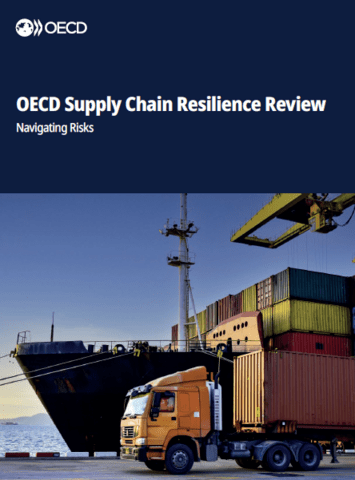
OECD supply chain resilience review
This report examines how countries can navigate risks through agile, adaptable and aligned supply chains. It explores trade dependencies, the costs of relocalisation, and how digitalisation and sustainability can shape stronger global supply chains. The report makes recommendations for how governments can manage risk and promote resilient supply chains.
Report
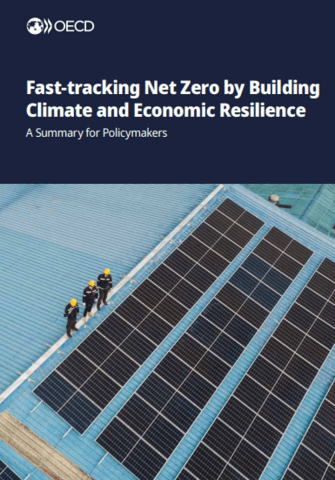
Fast-tracking net zero by building climate and economic resilience: a summary for policymakers
This summary report for policymakers shows that reaching net zero is still possible but requires urgent action. It also discusses the importance of public support; trade, investment and finance; climate adaptation; and bridging knowledge gaps to improve the effectiveness of climate policies.
Report
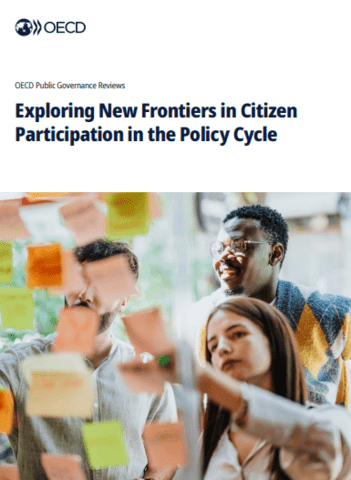
Exploring new frontiers in citizen participation in the policy cycle
Meaningful citizen participation in policymaking is critical. This report identifies systemic challenges for citizen participation facing citizens, elected representatives, civil servants and civil society. It advocates for a strategic and targeted approach to citizen participation; lowering barriers to enable more inclusive participation; building capacity among both civil servants and citizens; and ensuring impact and accountability.
Report
Place-based policies for the future
Place-based policies have seen renewed interest against a backdrop of persistent spatial disparities in economic, social and environmental outcomes. This report synthesises the latest knowledge and evidence on place-based policies to provide policymakers across all levels of government with insights on the design and implementation of better (place-based) policies for better lives.
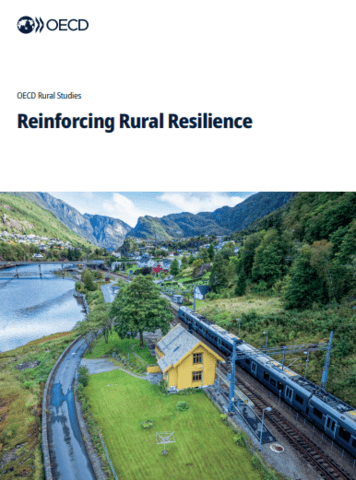
Report
Reinforcing rural resilience
Rural economies can be powerful engines of national growth. This report offers governments practical guidance for navigating long-term transitions while addressing immediate vulnerabilities in rural development policy. It advocates a place-based, people-centred approach to policy to unlock the full potential of rural regions.