

Organisation
OECD Publishing
Owning Institution:
Report
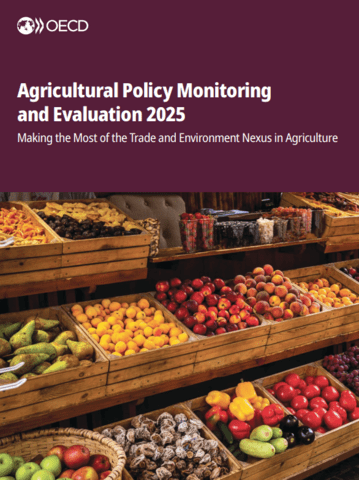
Agricultural policy monitoring and evaluation 2025
The report provides up-to-date monitoring and evaluation of agricultural policies across 54 countries from across the world, including a chapter on Australia. This year’s edition of the report focuses on the interlinkages between trade, agriculture and the environment. It finds that integrating environmental objectives into trade policies in agriculture and food presents opportunities and challenges.
Report
Steering the future of advanced materials: strategic intelligence in action
Advanced materials are regularly listed as a critical emerging technology. Insights from this report aim to support policymakers and technology assessment practitioners seeking to develop or update national strategies for emerging technologies like advanced materials to accelerate innovation and further develop national ecosystems. The report delves into how these approaches are being mobilised.
Report
Applying regulatory impact assessment at regulatory authorities
This paper draws on the OECD's experience working with countries to develop and implement best practice principles for regulatory impact assessment (RIA). It presents a reference methodology and recommendations for national regulatory authorities to systematically adopt RIAs. The methodology provides a complete toolkit covering problem identification through to implementation.
Report
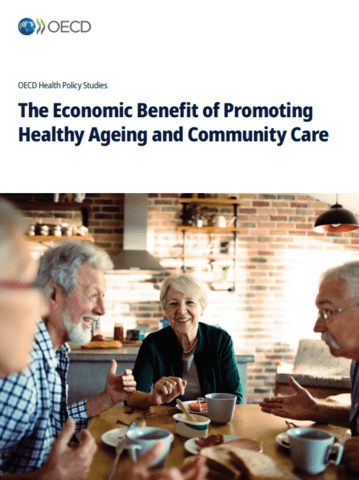
The economic benefit of promoting healthy ageing and community care
Without a stronger focus on healthy ageing, population ageing will have a strong impact on health and long-term care expenditures. This report discusses how a stronger focus on preventive interventions and reablement helps promote healthy ageing. It highlights that promoting healthcare closer to people and more integrated care are cost-effective interventions for older people.
Report
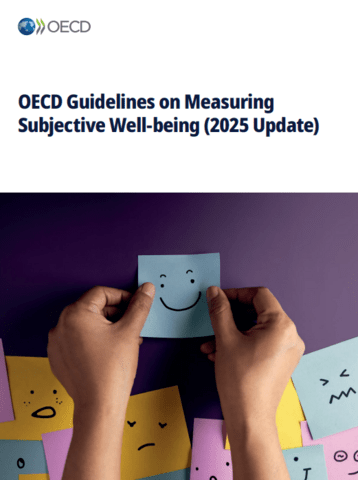
OECD guidelines on measuring subjective well‑being (2025 update)
Subjective wellbeing encompasses the ways that people experience and think about their lives. Building on the first edition, these guidelines seek to improve the quality and international comparability of subjective wellbeing data. They provide data producers with the information and tools they need to measure subjective wellbeing in a robust, well-validated and internationally comparable way.