

Floods
Alternative labels
Flooding
Inundations
Report
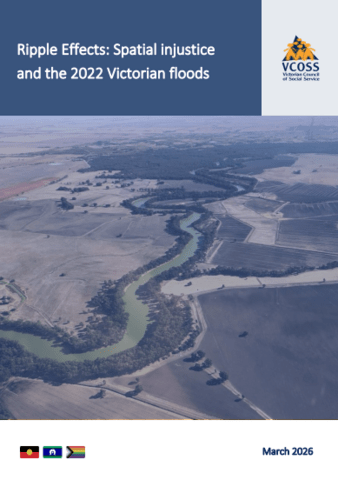
Ripple effects: spatial injustice and the 2022 Victorian floods
This report presents a comprehensive quantitative analysis of spatial injustice – the unequal opportunities and resources that exist due to location – and the impacts of the 2022 Victorian floods. It highlights that more needs to be done to support those most impacted by disasters, and to address the risk that future emergencies will further...
Report
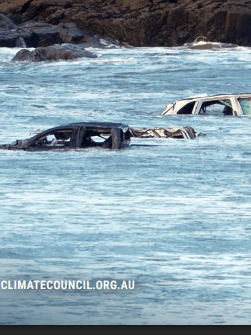
Breakneck speed: summer of climate whiplash
Across Australia during the summer of Dec 2025 to Feb 2026, communities experienced 'climate whiplash' – a phenomenon in which climate flips between extremes at accelerating speed. This report finds record global levels of coal, oil and gas pollution are overtaking natural climate drivers like El Niño and La Niña – accelerating these events.
Report
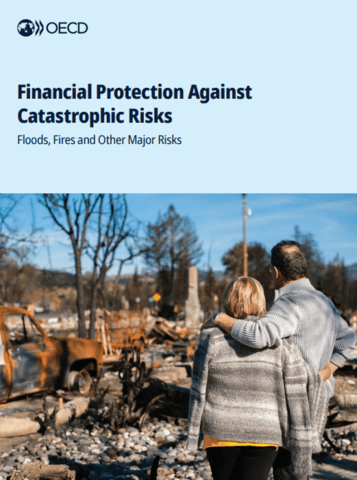
Financial protection against catastrophic risks
This report aims to help governments strengthen financial resilience against catastrophic risks. It provides a framework to assess the need for government-supported financial protection and the advantages and disadvantages of the main approaches to offering such support. It applies this framework to three types of large-scale risks: natural hazards, infectious disease outbreaks and cyber-attacks and...

Report
Report on government services 2026: emergency management (part D)
The report on government services provides information on the equity, effectiveness and efficiency of government services in Australia. This report provides performance reporting for emergency services for fire and other events. It includes a summary of government expenditure in the sector and a case study on flood mitigation, prevention and preparedness efforts.
Report
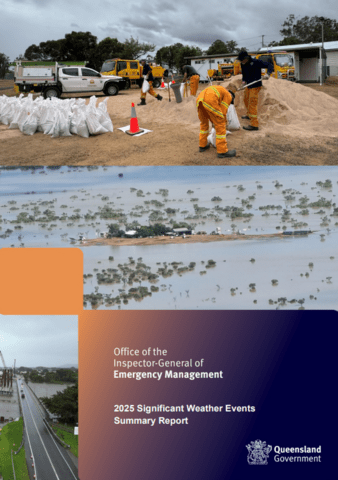
2025 Significant weather events
This report draws together findings from three event reports to provide a consolidated, system‑level view of disaster management performance during the 2025 significant weather events in Queensland. It identifies common strengths, recurring challenges and cross‑cutting themes, and considers how lessons observed can inform future policy, planning, training and operational practice across Queensland’s disaster management arrangements.