

Elections
Alternative labels
Electoral matters
Report
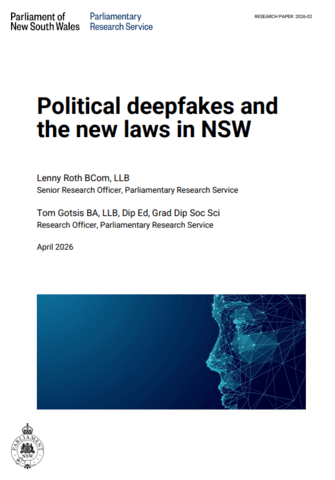
Political deepfakes and the new laws in NSW
Political deepfakes are AI-generated digital content that depict a politician doing or saying something they did not do or say. This paper outlines the potential adverse impacts of political deepfakes, summarises New South Wales reforms, and examines legislative developments in other jurisdictions. It also discusses other measures that can be used to combat political deepfakes.
Discussion paper
Advantages of incumbency: MP and senator entitlements in 2025
Australian federal Members of Parliament and Senators are entitled to over $3 million in pay, resources and benefits over a three-year election cycle. These resources can be used to boost re-election chances. Combined with changes to electoral laws coming into force, this paper finds that these threaten to make Australian elections less competitive than ever.
Discussion paper
Declining legacy media influence on Australian elections
This paper explores the declining influence of media endorsements and leaders' debates on election outcomes. It finds that the opinions and endorsements published by Australia’s major media outlets now have little influence over how Australians actually vote. The paper proposes that governments should no longer fear retribution from media organisations opposed to important reforms.
Report
The glass cliff & the 2025 election
This report shows that there are fewer women than men running in the 2025 federal election and they are more likely to be running in ‘glass cliff’ seats that are hard to win and precarious to hold. Labor has a higher number of women than men running, but men still have a better shot at...
Research Summary
The value of shifting to four-year parliamentary terms
This research note quantifies the potential benefits of shifting from a three-year to a four-year term in the Commonwealth House of Representatives, analysing three categories of benefits: reduced direct election costs, indirect economic benefits and policy implementation benefits. It finds the total benefits over a 20-year period to be between $59-$71 billion.