

Tax benefits

Guide
Workforce disincentives for sole parents: introducing the e61 tax and transfer calculator
The calculator is an interactive tool for calculating taxes paid, transfer (welfare) payments received, and the effective average and marginal tax rates for working-aged Australians (aged 22 to 54). This note provides some basic information on what the calculator is and how it can be used. Taxes and transfers influence workforce participation by creating varied...
Report
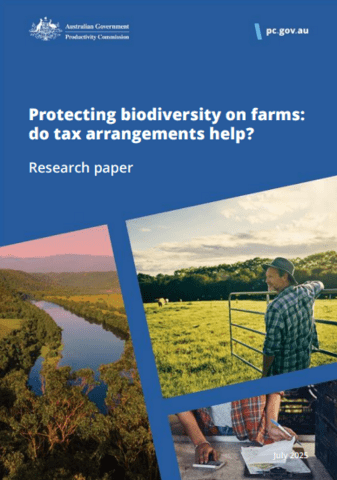
Protecting biodiversity on farms: do tax arrangements help?
Australia must protect or conserve nature on an additional 60 million hectares of land over the next five years. This paper examines how tax concessions for farmers and landholders who adopt conservation covenants might influence farmers' decisions to enter conservation covenants. It shows how the complexity and uncertain benefits of this incentive are likely limiting...
Report
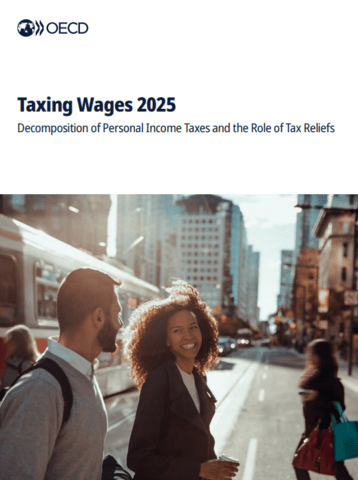
Taxing wages 2025
This report provides details of taxes paid on wages in OECD countries with cross-country comparison. It focuses on the decomposition of personal income taxes and the role of tax reliefs. It finds that post-tax incomes increased in almost three-quarters of OECD countries in 2024, as real wages recovered and labour taxes increased slightly.
Report
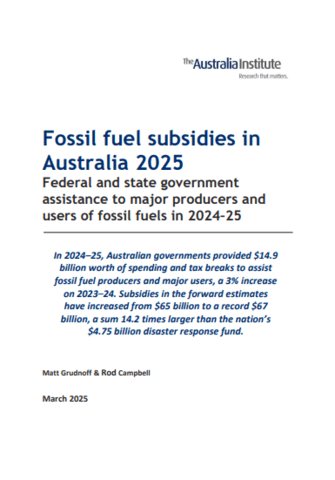
Fossil fuel subsidies in Australia 2025
Australia continues to subsidise fossil fuels, imposing costs not only on the budget but on the climate. This report estimates Australia’s subsidies to fossil fuel producers and major users from all governments totalled $14.9 billion in the 2024–25 financial year. The report calls for cutting back these subsidies as a priority for the next parliament.
Report
Growing pains: Family Tax Benefit issues and options for reform
The authors of this report argue that the Australian family payments system needs reform to ensure that it achieves the right balance between providing adequate income support for families with children, properly valuing unpaid care work in the family, gender equity and paid workforce participation.