

Eco-innovation
Strategy
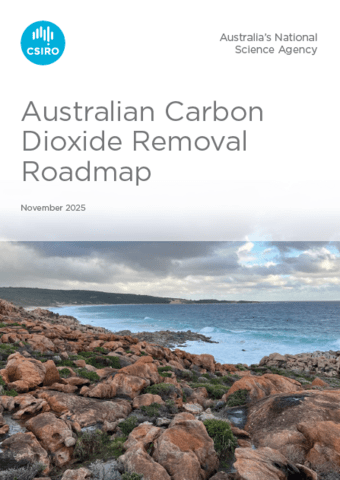
Australian carbon dioxide removal roadmap
The roadmap details the potential for a novel Carbon Dioxide Removal (CDR) industry that could help Australia reach net zero. CDR refers to approaches that remove CO₂ from the atmosphere. The roadmap estimates the capacity and cost of a selection of novel CDR technologies and identifies the steps required to develop and deploy them.

Assessment
E3 Opportunity assessment: developing the future energy workforce - final report 2021
This opportunity assessment describes a pathway to understanding the present and future energy workforce in Australia. Developing the workforce is crucial to enabling the clean energy transition and realising the RACE for 2030 vision of a customer-centred clean energy system.
Strategy
Clean technology: targeted regulatory review – regulatory roadmap
Exploring opportunities for the regulatory system to increase the adoption of clean technology and to enhance innovation and competitiveness, this regulatory roadmap lays out plans to advance regulatory modernisation in support of economic growth and innovation in Canada.

Report
Design for a circular economy: reducing the impacts of the products we use
In this report, the legislation that has helped to drive greater energy efficiency is evaluated as well as recommendations to improve it. This includes ways to cut more energy and address resource efficiency to stop the UK getting through electronics at such an unsustainable rate. This, in turn, will limit significant production impacts like waste...

Guide
The little book of green nudges
This publication presents a quick guide to reducing university campus' environmental impact through behavioural change. It summarises the evidence around what 'nudges' work best while seeking to encourage more sustainable practices among students and staff across several behavioural categories.