

Briefing paper
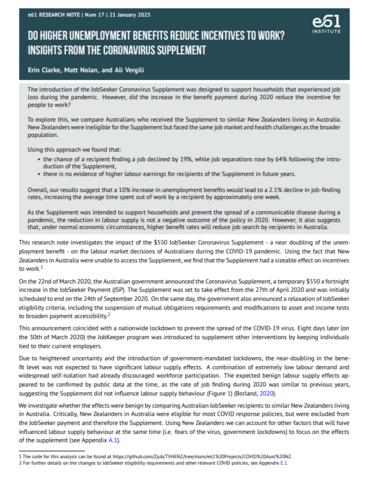
Briefing paper
Do higher unemployment benefits reduce incentives to work?
The JobSeeker Coronavirus Supplement was designed to support households that experienced job loss during the COVID-19 pandemic. This paper found that these higher benefit payments lead to a change in labour market behaviour, reducing the incentive for people to work. It provides three lessons from the research.
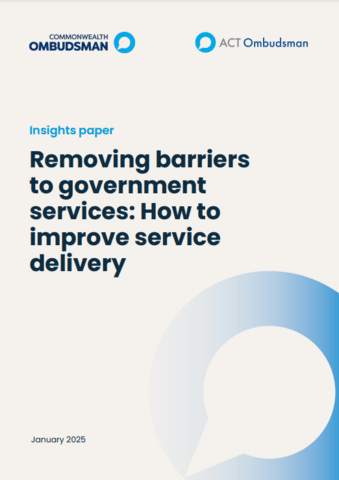
Briefing paper
Removing barriers to government services: how to improve service delivery
Based on complaints to the Ombudsman on people not getting the help they need when interacting with government agencies, this paper outlines what has been experienced and what can be improved. It provides five case studies and identifies three key lessons to improve service delivery to all members of the community.
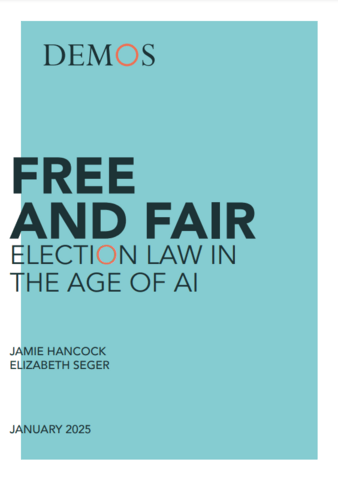
Briefing paper
Free and fair: election law in the age of AI
This briefing paper explores the impact of AI-enabled disinformation and fake content on democratic processes and investigates the potential obligations of states to protect elections from it. The paper argues that although not currently legally bound to do so, states should take proactive measures to defend elections from AI misuse.
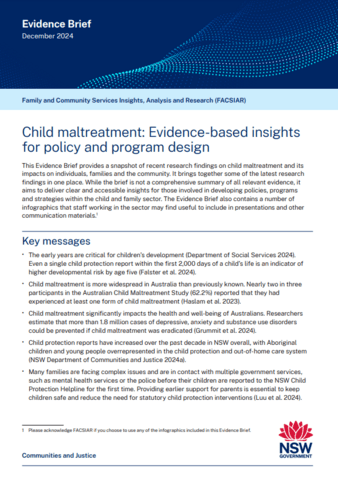
Briefing paper
Child maltreatment: evidence-based insights for policy and program design
This Evidence Brief provides a snapshot of recent research findings on child maltreatment and its impacts on individuals, families and the community. While the brief is not a comprehensive summary of all relevant evidence, it aims to deliver clear and accessible insights for those involved in developing policies, programs and strategies within the child and...
Briefing paper
Chinese foreign policy brief
This brief provides an overview of recent commentary from Chinese official and state-affiliated sources about China’s foreign policy made since the re-election of Donald Trump. Identifying a set of themes from publicly available material provides insight into how Beijing policymakers conceptualise international problems and the range of prevailing opinions in their immediate circles.