

Briefing paper
Briefing paper
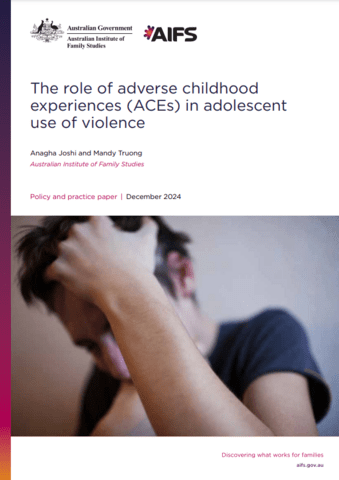
The role of adverse childhood experiences (ACEs) in adolescent use of violence
Research has found a strong link between adverse childhood experiences and the use of violence by adolescents and young people. Understanding the factors associated with adolescent use of violence can support early interventions, potentially breaking cycles of violence or intergenerational violence. This resource outlines considerations for practitioners and other professionals working with adolescents using violence...
Briefing paper
Embedding cultural safety: National Cultural Safety Training Standards and organisational action for cultural safety
This policy brief outlines the importance of cultural safety in addressing racism, the need for clarity and understanding about cultural safety and creating pathways for embedding cultural safety in health and human services through establishing national training standards and a linked accreditation process, combined with dedicated organisational action.
Briefing paper
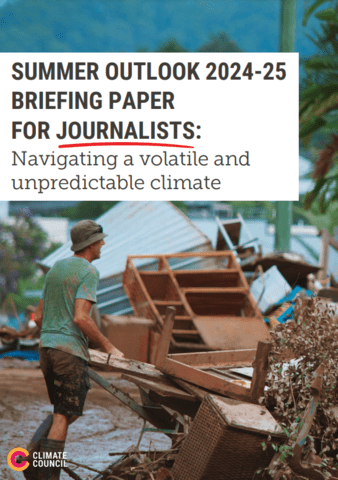
Summer outlook 2024-25 briefing paper for journalists
This briefing paper, designed for journalists but broadly applicable, summarises key findings from the Bureau of Meteorology and the National Council for Fire and Emergency Services’ forecasts for summer 2024-25. It describes the influence of climate pollution on extreme weather events, with increasingly hot, wet and volatile conditions likely to be felt throughout the summer.
Briefing paper
Young people and violent extremism
A jointly authored analysis identifying common issues and trends contributing to youth radicalisation, including case studies from all of the Five Eyes countries. A whole-of-society response, including early intervention, is supported to counter the issue. The analysis informs the Australian Government’s upcoming counter-terrorism and violent extremism strategy.
Briefing paper
Trends and change in recruitment difficulty
This paper provides an update on the recent trends in the recruitment difficulty rate and examines whether employers are finding recruitment more or less difficult than in the past. It finds recruitment difficulty continues to ease after peaking in late 2022.