

Australia
Strategy
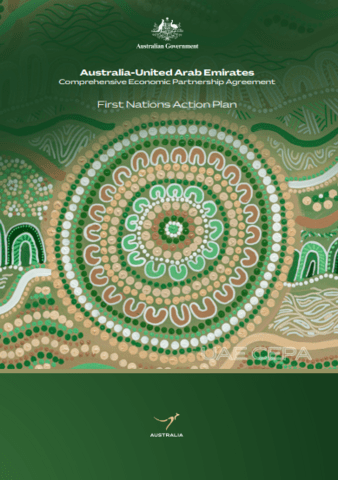
Australia-United Arab Emirates: Comprehensive Economic Partnership Agreement
An action plan supporting First Nations businesses to realise growing trade and investment opportunities with the United Arab Emirates (UAE) and broader Middle East. It provides a framework for First Nations businesses to take advantage of the Australia-UAE trade deal. The agreement is Australia's first trade deal with a dedicated chapter on First Nations business.
Journal article
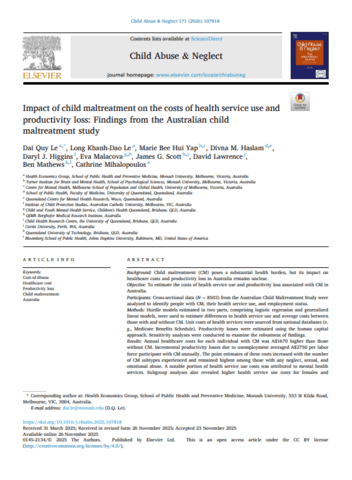
Impact of child maltreatment on the costs of health service use and productivity loss: findings from the Australian child maltreatment study
Child maltreatment poses a substantial health burden, but its impact on healthcare costs and productivity loss in Australia remains unclear. The objective of this study was to estimate the costs of health service use and productivity loss associated with child maltreatment in Australia. It finds that targeted investment in prevention strategies is urgently needed.
Strategy
National suicide prevention outcomes framework
The framework provides a way of measuring the impact of efforts being made in suicide prevention in Australia. This overview provides a description of the framework, its components and how they operate together. The framework comprises four components: an overview, an outcomes map, data quality and improvement plan and a monitoring and reporting plan.
Discussion paper
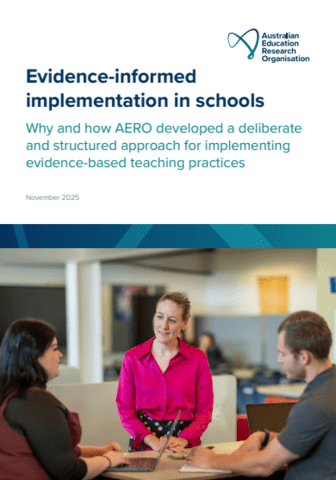
Evidence-informed implementation in schools
Effective implementation of evidence-based teaching practices in schools has the potential to benefit all Australian students. A deliberate and structured approach to implementation has been designed to support effective implementation in Australian schools. This discussion paper details why implementation matters and how the approach has been developed, tested and refined.
Report
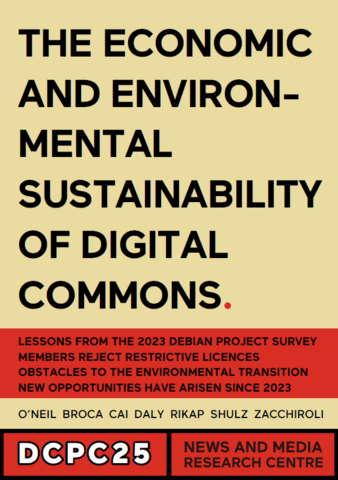
The economic and environmental sustainability of digital commons
This report examines the economic and environmental sustainability of free, libre and open source software (FLOSS), its role in fostering sustainable production and evolving worker contributions. It highlights community rejection of restrictive licences as environmental incentives, critiques predatory information technology (IT) practices and details workplace obstacles to reducing environmental impacts.