

Australia
Report
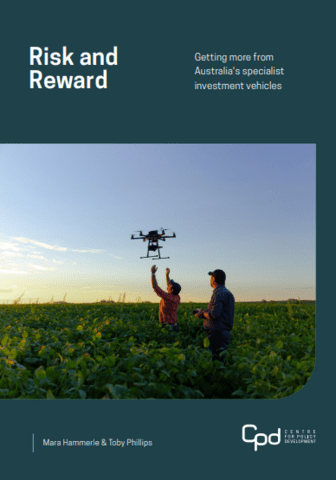
Risk and reward: getting more from Australia’s specialist investment vehicles
The return mandates for Australia’s specialist investment vehicles currently push them towards safe bets and guaranteed commercial returns. A key barrier to reform has been a concern that lowering the return mandate and raising the risk appetite could leave the government fiscally worse off. This report demonstrates that reform could improve measures of Australia’s fiscal...
Survey Report
2025 National youth survey: summary report
The report shares the views of young Australians through the 2025 National Youth Survey. The survey provided young people with the chance to highlight the issues that are most important to them; and share their views to improve how young people are included in government decision-making. The report identifies the top five issues for young...
Assessment
Mind the gap: an insurance climate vulnerability assessment
The assessment explores how a changing climate could affect home insurance affordability in Australia and the insurance protection gap over coming decades. Under both scenarios projected out to 2050, it found that climate-driven pressures on insurance premiums could significantly widen the nation’s insurance protection gap, thereby increasing financial risks to the system.
Report
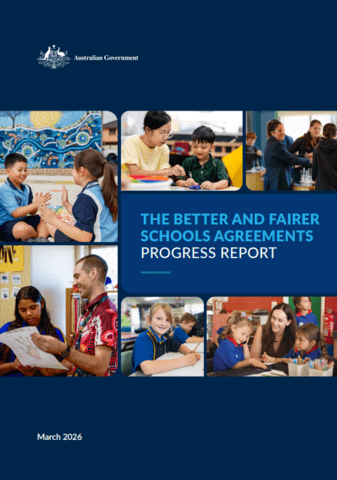
The Better and Fairer Schools Agreements progress report: March 2026
This progress report of the Better and Fairer Schools Agreements (2025–2034) outlines achievements in the first 12 months. At the centre of the national plan are clear targets for lifting student outcomes and strengthening the education workforce across three key areas. This report presents reform progress against the targets for all state and territory jurisdictions.
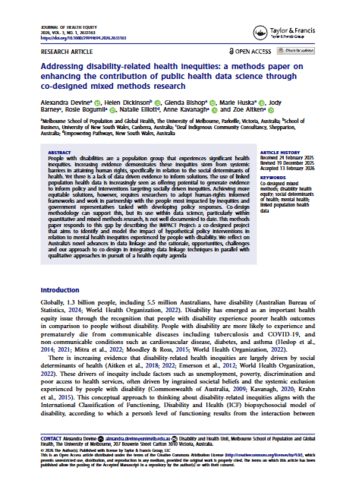
Journal article
Addressing disability-related health inequities
This paper describes a co-designed project that models the impact of hypothetical policy interventions on mental health inequities experienced by people with disability. It argues achieving more equitable solutions requires adopting a human-rights informed framework and working in partnership with the people most impacted by inequities and government representatives tasked with developing policy responses.