

Australia
Report
Leveraging evidence for system support
This guidance report provides evidence-based insights for how Australian education systems can most effectively support schools to take up and sustain evidence-based practices at scale. This report focuses specifically on how education systems can support schools in taking up and sustaining evidence‑based teaching practices effectively. It identifies key elements to support adoption of evidence.
Briefing paper
The hole in Australia’s gun laws
Acquiring a firearm licence in Australia requires having a 'genuine reason' to own a gun. In most jurisdictions, this requirement can be satisfied by being a paid-up member of a sports shooting club. This paper finds that the thin practical requirements for obtaining a firearm licence are allowing an erosion of Australia’s gun control regime.
Report
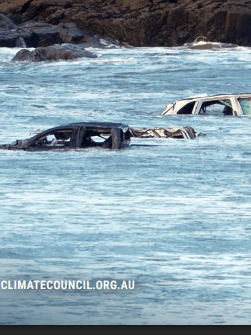
Breakneck speed: summer of climate whiplash
Across Australia during the summer of Dec 2025 to Feb 2026, communities experienced 'climate whiplash' – a phenomenon in which climate flips between extremes at accelerating speed. This report finds record global levels of coal, oil and gas pollution are overtaking natural climate drivers like El Niño and La Niña – accelerating these events.

Report
Report on the operation of the capital gains tax discount
A report from the inquiry into the operation of the capital gains tax discount in Australia including its contribution to inequality, how it influences the types of assets purchased, its distributional effects and its role in suppressing productivity and whether it is fulfilling its original intended purpose. The report finds Australia’s tax system is broken.
Report
The northern engine: building Australia’s northern national defence ecosystem
Northern Australia sits at the centre of Australia’s defence strategy. Defence activity in the north is increasingly tied to regional economic stability, infrastructure development and the growth of defence-supporting industries. Yet Australia’s northern defence posture has moved through cycles of attention and neglect. This report introduces a new conceptual framework to close that gap.