

Australia
Briefing paper
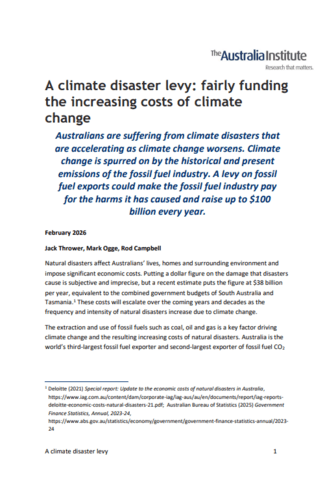
A climate disaster levy: fairly funding the increasing costs of climate change
Australians are suffering from climate disasters that are accelerating as climate change worsens. The extraction and use of fossil fuels is a key factor driving climate change and the resulting increasing costs of natural disasters. This paper proposes a levy on fossil fuel exports could make the fossil fuel industry pay for the harms it...
Video
Lunch & learn: back pain, arthritis and musculoskeletal conditions in the workplace
This recorded webinar explores the impact of back pain, arthritis and other musculoskeletal conditions in the workplace. These often non‑visible conditions significantly affect workforce participation and wellbeing. Helen Jentz, CEO of Musculoskeletal Health Australia, explains the challenges people face and outlines how workplaces can support employees through awareness, reasonable adjustments and inclusive practices that promote...
Report
Homicide in Australia 2024–25
The National Homicide Monitoring Program is Australia’s only national data collection on homicide incidents, victims and offenders. This report describes 264 homicide incidents recorded by Australian state and territory police between 1 July 2024 and 30 June 2025. During this 12-month period there were 279 victims of homicide and 271 identified offenders.
Report
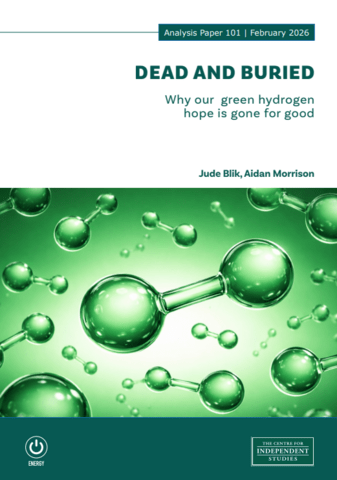
Dead and buried: why our green hydrogen hope is gone for good
Green hydrogen is often heralded in Australia’s net zero ambitions, but this paper posits that it is not viable today and won’t be in the foreseeable future. The paper examines why green hydrogen will likely remain prohibitively expensive, why projects are stalling and how the recently announced Orica subsidy exposes Australia’s strategy as untenable.
Journal article
Pathways to adolescent executive function in Australian Aboriginal and Torres Strait Islander children
This article describes research into adolescent executive functioning in Australian Indigenous children, examining the role of early home and learning environments and key developmental skills. Longitudinal data indicates preschool visual motor and literacy skills and early school classroom self-regulation predict adolescent executive function. Policy responses for family and early learning services are suggested.