

Report
Report
‘We just did our best’: Victorian women during World War II
This paper considers the experiences of Victorian women during the war years. It looks at their experiences, and shares some of the memories of other female parliamentarians who lived during the war years. The paper also explores some of the changes to Victorian women’s lives as they entered the workforce in record numbers and navigated...
Report
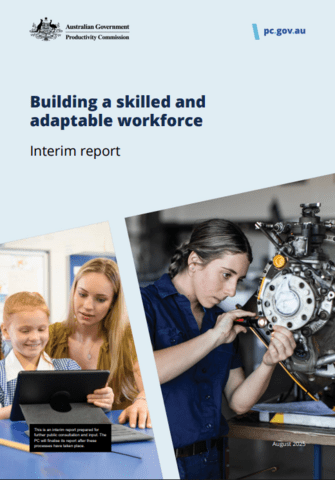
Building a skilled and adaptable workforce: interim report
This interim report proposes that better support for Australians to transition through education and work are key to a stronger economy. It presents draft recommendations focused on three key policy reform areas: the best resources to improve school student outcomes, building skills and qualifications for a more productive workforce, and fit-for-purpose occupational entry regulations.

Report
Productivity with purpose: clear pathways to a more equitable future
This report reframes the national productivity debate – arguing that rather than pursuing productivity growth for its own sake, its purpose must be clarified: to lift living standards, improve wellbeing and accelerate the transition to net zero. It lays out practical, achievable reforms and provides recommendations on three key themes: a dynamic and more resilient...
Report
Lessons from Canada: an equal school system is possible
This report is the result of a study tour to Canada to learn more about possible approaches that have significant potential to enhance educational delivery in Australia. Australia’s schools are among the world's most segregated. The report shows that with the right structures, regulations and funding in place, Australia can build an equal school system.
Report
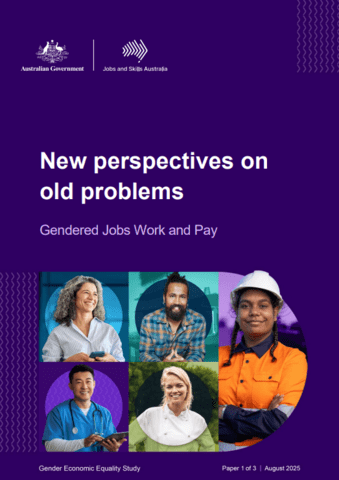
New perspectives on old problems: gendered jobs work and pay
The first in a three-part series on new perspectives on gender economic inequality, revealing how much gender shapes jobs, work and pay across Australia. The report highlights the scale of occupational segregation. It finds that despite more women participating in the workforce than ever before, men still earn more than women in 98% of occupations.