

 SHARE
SHARE

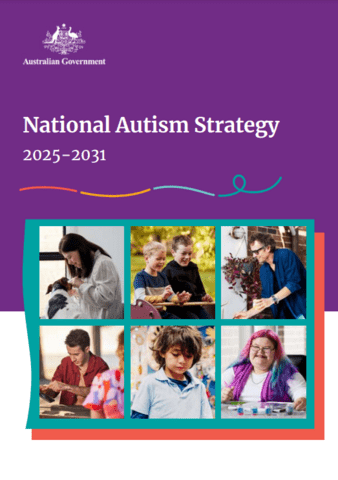
Developed through a co-design process, the strategy provides a framework for improving the life outcomes for all Autistic people in the years ahead in a way that is meaningful to them. It includes a vision, goal, guiding principles and commitments. The strategy foundations include the human rights model of disability, strengths-based and neurodiversity-affirming approaches, and intersectionality.
The strategy is focussed on driving action and enabling change in areas of Australian Government responsibility across four key outcome areas:
- social inclusion
- economic inclusion
- diagnosis, services and supports
- health and mental health.
Commonwealth, state, territory and local governments are each responsible for supporting Autistic people in areas where they have the main responsibility for funding or delivering programs and services. These roles and responsibilities are outlined in the strategy.
The strategy is accompanied by a first action plan and snapshots for a range of groups including First Nations, Culturally and Linguistically Diverse (CALD) and Culturally and Racially Marginalised (CARM) communities, LGBTQIA+ and older Autistic people.
