

Neurodiversity
Alternative labels
Neurodivergent
Neurological diversity
Description
A non-pathological explanation of variations in mental functions [Wikidata]
Video
Lunch & learn: exploring work styles without centring diagnosis
This recorded webinar by Nicole Done, neuro-inclusion expert, educator and advisor at the Xceptional Academy, supports employment services staff to explore individuals’ work styles and preferences beyond diagnosis. It covers conversations on productivity, learning, communication, feedback, sensory needs, workplace environments, and challenges with self-awareness due to long-term masking among neurodivergent people across diverse settings.
Video
Sensory workplace design
A webinar exploring sensory sensitivity in real workplace settings. It explains how sensory differences appear, the effects of overload on functioning, and impacts on focus, performance and wellbeing. It also offers practical support strategies and explores links between sensory strain, masking and burnout.
Journal article
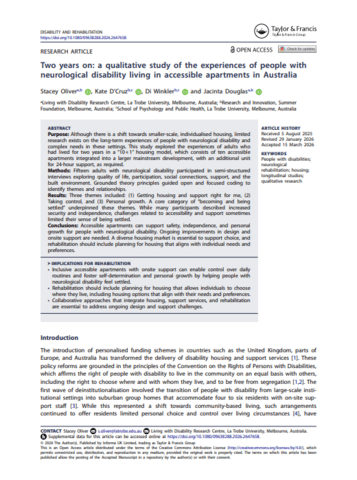
Two years on: a qualitative study of the experiences of people with neurological disability living in accessible apartments in Australia
Although there is a shift towards smaller-scale, individualised housing, limited research exists on the long-term experiences of people with neurological disability and complex needs in these settings. This study explored the experiences of adults who had lived for two years in accessible apartments integrated into a larger mainstream development, with an additional unit for 24-hour...
Report
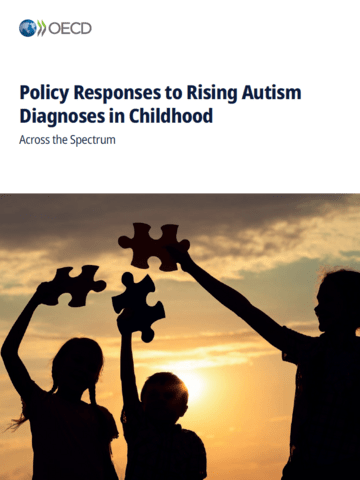
Policy responses to rising Autism diagnoses in childhood
Autism Spectrum Disorder (ASD) diagnoses among children and young people have risen two to fourfold across OECD countries, largely due to improved detection. While this increases demand for disability and health supports, it can improve outcomes. The report finds wide variation in supports and a shift towards basing entitlement for support on the needs of...
Guide
Neurodiversity-affirming practice in community mental health services
This practice guide presents a framework for family and community services to apply neurodiversity-affirming practice (NAP) to their work with all children, young people and families. NAP is a way of working that aims to provide a safe and supportive service environment that accepts, understands and values neurodiversity.