

Waste minimisation
Alternative labels
Waste minimization
Report
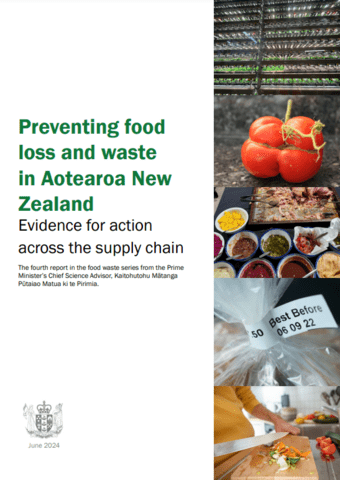
Preventing food loss and waste in Aotearoa New Zealand
Globally, 40% of food produced is lost or wasted. Prevention is the most important intervention to reduce food waste as it has the greatest potential to mitigate the social, economic, and environmental harms. This report identifies sector-specific challenges in preventing food waste and explores the evidence for solutions in the supply chain.
Discussion paper
Textiles waste in Australia: reducing consumption and investing in circularity
Every year, over 300,000 tonnes of clothing is either sent to landfill or exported from Australia. The authors of this paper argue that banning the export of textiles waste, meaningful regulation, taxation and investing in Australia’s capacity to manufacture and recycle domestically, are better solutions for creating a circular economy for this industry.
Strategy
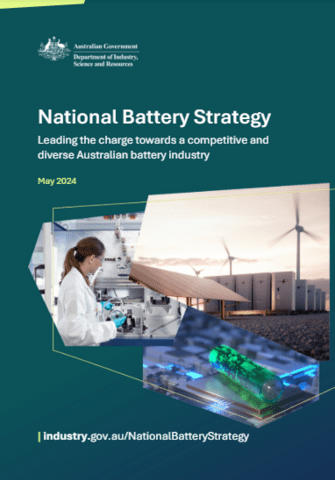
National battery strategy: leading the charge towards a competitive and diverse Australian battery industry
The National battery strategy is a key part of the Albanese Government's 'Future Made in Australia' agenda. The strategy outlines how the Australian government will aim to support the domestic battery industry as it grows.
Policy report
Demand-side policy measures for environmental sustainability
This paper addresses demand-side policy measures to improve environmental sustainability. It outlines the potential of such measures, and presents relevant findings from the cross-country OECD 'Survey on Environmental Policies and Individual Behaviour Change' (EPIC) on the main barriers that households face in adopting sustainable behaviours.
Report
Supermarket prices: final report
Australia's supermarket sector is one of the most concentrated in the world. A key recommendation from this inquiry is for the Australian government to amend the Competition and Consumer Act 2010 to create divestiture powers specific to the supermarket sector, where a supermarket has been found to have misused their market power.