

Waste management
Alternative labels
Waste management planning

Report
Outlook for biogas and biomethane
Biogases play an important and growing role in energy systems. This report presents a global geographical analysis of the untapped potential of biogas and biomethane from agriculture, municipal waste and forestry residues. It assesses the potential, costs and suitability of over 30 types of sustainable feedstocks in more than 5 million locations worldwide.
Report
No time to waste: waste reduction and recycling policies
This report outlines evidence that Australia's federal policy framework on waste reduction and recycling has failed to achieve its objectives. It recommends the introduction of a circular economy framework, a review of the role that could be played by financial incentives, and implementation of mandatory national rules and regulations to improve environmental and economic outcomes.
Strategy
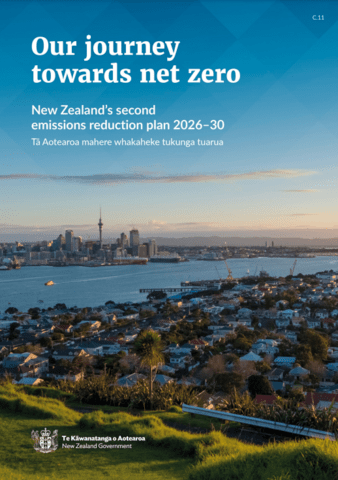
Our journey towards net zero: New Zealand's second emissions reduction plan 2026–30
A critical step towards achieving the country's long-term climate change goals, this strategy outlines how New Zealand will meet its emissions budget for 2026–30. The cross-sectoral plan covers a range of policies and initiatives, focusing on a technology-led approach to reducing emissions alongside commitment to cost-effective climate action.
Report
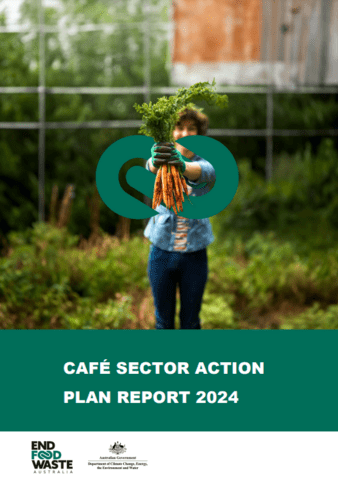
Café sector action plan report 2024
While consumers are often targeted in food waste campaigns, hospitality and the food industry are major contributors to overall food waste, with the hospitality sector responsible for 16% of Australia’s annual food waste. Sector Action Plans work with key stakeholders across a food industry sector or along a food commodity supply chain to understand where...
Discussion paper
Opportunities in the circular economy
As part of an inquiry into Australia’s opportunities in the circular economy to improve materials productivity and efficiency in ways that benefit the economy and the environment, this paper invites responses from people at all levels of government, businesses, technical and subject matter experts, Aboriginal and Torres Strait Islander people, and the community more broadly.