

Digital literacy
Alternative labels
Digital skills
Internet literacy
Digital learning
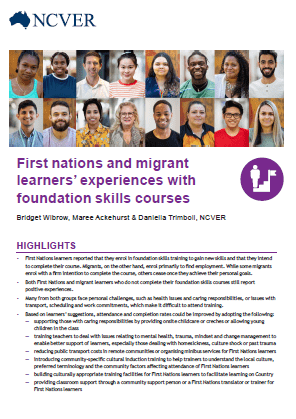
Report
First Nations and migrant learners’ experiences with foundation skills courses
This research amplifies the voices of First Nations and migrant learners who have disengaged from foundation skills courses. By understanding their goals, experiences, and recommendations, ways to better support their completion are identified. It explores how these learners first encountered the courses, their motivations for enrolling, the supports available, and the barriers they continue to...
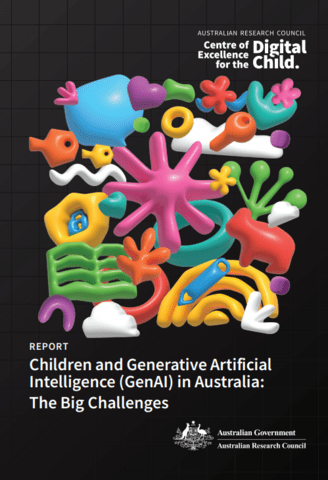
Report
Children and Generative Artificial Intelligence (GenAI) in Australia
This report highlights nine of the most urgent challenges and issues in terms of everyday use of GenAI tools, especially when children might be using these systems. All of these are in urgent need of greater research, including hearing more from children and young people about how they use, and how they wish to (or...
Discussion paper
Building tomorrow: preparing Australia for the age of AI
This paper argues that Australia is at a critical junction, as it seeks to keep pace with the rapidly evolving global AI landscape. It highlights a severe lack of local AI expertise; the need for significant investment in infrastructure and AI literacy; and the importance of considering multiple factors when developing the business care for...
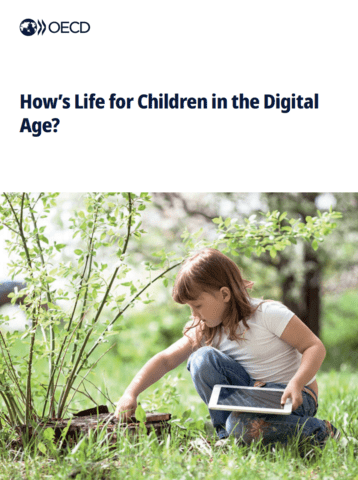
Report
How’s life for children in the digital age?
This report examines the opportunities and risks associated with children's increasing engagement in the digital world. It explores strategies to enhance child wellbeing, ensuring that children are both protected and empowered to use digital media positively. The report calls for holistic, rights-based and multi-sectoral approaches to support children's wellbeing.
Strategy
NSW digital inclusion strategy
The state's first comprehensive framework developed to address the digital divide. The strategy aims to ensure all people in NSW can access, afford and safely engage with digital technologies and online resources, while maintaining offline options for essential services. It is framed around five pillars: connectivity, affordability, digital ability, accessibility, and digital trust and safety.