

Disability inclusion
Alternative labels
Disability confidence
Disability responsiveness
Disability inclusiveness
Disability inclusive
Inclusive disability
Guide
Neurodiversity data at work
This guide outlines how to measure and report workforce neurodiversity in a respectful, safe and accurate way. It explains how collecting neurodiversity data can strengthen workplace neuroinclusion and presents six guiding principles to support effective, ethical and trustworthy data collection practices.

Report
Neuroinclusion as imagination: from 'knowing for' to 'imagining with'
This paper argues that current neuroinclusion efforts in education, employment and public policy remain dominated by compliance‑led, deficit‑oriented models that position professionals as experts ‘knowing for’ neurodivergent people. It reconceptualises neuroinclusion as a participatory, imaginative practice where lived experience guides co‑designed policy, enabling more adaptive, just and future‑focused institutions.
Report
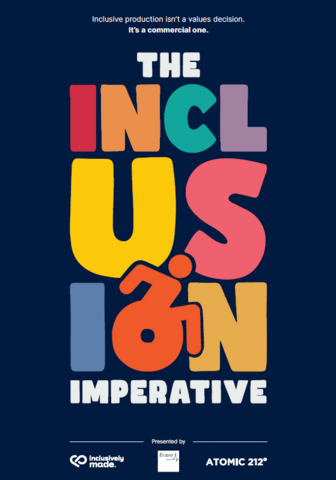
The inclusion imperative: the commercial case for authentic disability representation
This report provides practical, real-world evidence that inclusion delivers measurable outcomes, in this case, demonstrating how accessible and inclusive practices drive engagement, participation and economic value. It shows that inclusion is not only a social good but also creates tangible returns.
Report
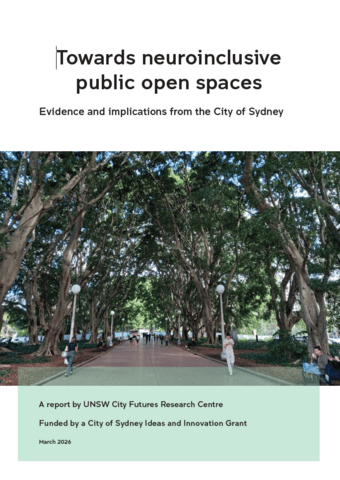
Towards neuroinclusive public open spaces: evidence and implications from the City of Sydney
This report examines how neurodivergent adults experience Sydney’s public open spaces and identifies environmental factors that shape participation. Drawing on lived‑experience insights, it highlights how sensory load, predictability, legibility and supportive amenities influence comfort and inclusion. The findings provide practical guidance for strengthening urban policy, planning and design.
Video
Lunch & learn: towards inclusive practice for people with intellectual disability
This recorded webinar explains what intellectual disability is, why employment matters, and how inclusive practice can create better job opportunities. It highlights practical, lived‑experience insights to support more inclusive and accessible employment opportunities for people with an intellectual disability.