

Emotional development
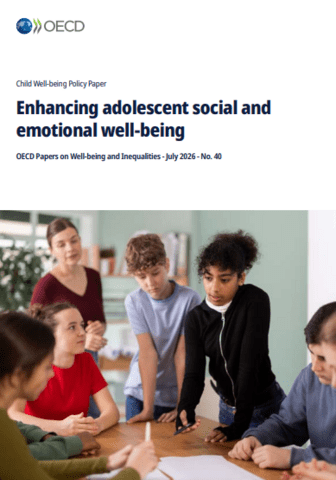
Report
Enhancing adolescent social and emotional well-being
Adolescence is a critical developmental period characterised by rapid physical, cognitive and psychosocial changes that are often accompanied by declines in social and emotional wellbeing. This paper argues for an approach to promoting adolescents’ wellbeing tailored specifically to boys and girls and presents a cross-national analysis of social and emotional outcomes among adolescent girls and...

Report
Research spotlight: the Australian Early Development Census 2024
This report analyses the 2024 Australian Early Development Census results, showing increased levels of developmental vulnerability in Australian children. There is also a continued trend of worrying levels of developmental vulnerability amongst children living in the most disadvantaged areas. It finds that without targeted strategies, educational inequity will deepen, not narrow.
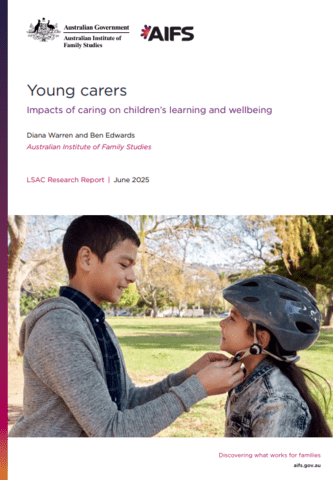
Report
Young carers: impacts of caring on children’s learning and wellbeing
This report examines the early home environment of Australian children who became young carers, to what extent caring activities limit young people’s cognitive and psycho-social outcomes, and what explains the gaps between the developmental outcomes of young carers compared to their peers. It finds that caring does impair academic achievement of these young people.

Report
AEDC national report 2024: early childhood development in Australia
The Australian Early Development Census (AEDC) is a national measure of children’s development as they enter their first year of full-time school. The AEDC reveals trends in early childhood development. It can indicate what is working well to support children, and where opportunities exist to take further action.
Report
Climate anxiety in pre-adolescent children
This report examines the psychological impact of climate change education on primary age children, arguing that the current approach is cognitively inappropriate and ethically questionable. It calls for a shift toward developmentally appropriate, psychologically safe and empowering environmental education. The report provides recommendations for policy and practice.