

Children
Alternative labels
Childhood
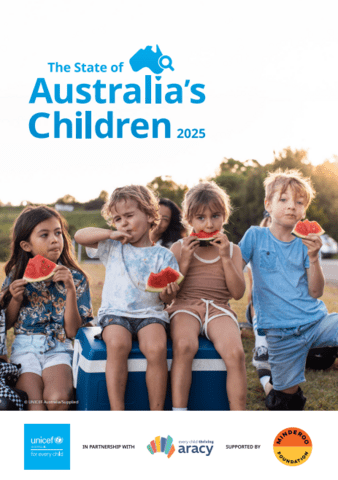
Report
The state of Australia’s children 2025
A comprehensive look at the wellbeing of children and youth across Australia, the report combines the latest publicly available data with firsthand perspectives. While many Australian children and young people are getting the support they need, many are falling behind. The report is a call to action to address these gaps and make children a...
Report
Yearly report to Parliament
This second yearly report to Parliament provides 30 recommendations for priority activities over the next 12 months to work towards achieving the outcomes of the National plan to end violence against women and children 2022-2032. The report contains case studies of work being done that we must learn from, share and scale to be able...
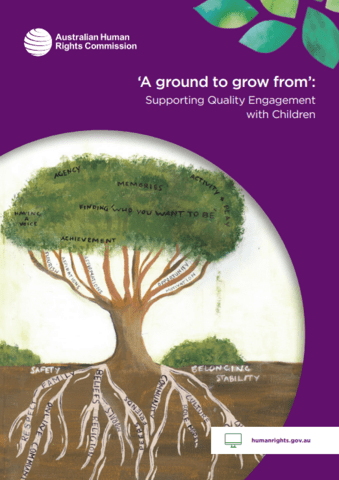
Report
'A ground to grow from’: supporting quality engagement with children
The report details the findings from consultations with over 500 children and young people across all Australian jurisdictions. It explores what children and young people need to develop their identity and a positive sense of self. The report contains eight recommendations that would centre the experiences and views of children in the development of policies...
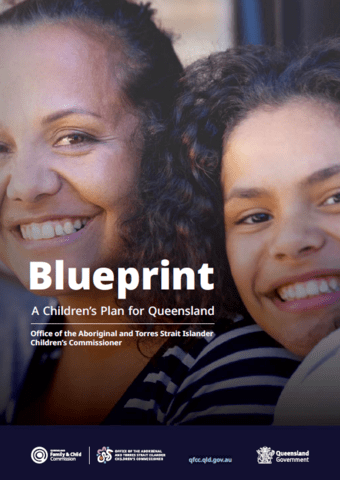
Strategy
Blueprint: a children’s plan for Queensland
This blueprint from the Office of Aboriginal and Torres Strait Islander Children's Commissioner offers a practical, actionable path to develop a Children’s Plan for Queensland. A Children’s Plan will aim to improve life outcomes for all children and work across government to make children a central focus in decision-making.
Fact sheet
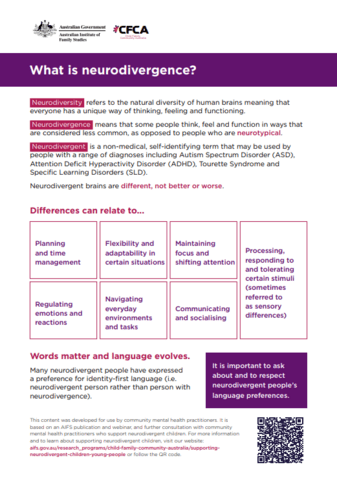
What is neurodivergence?
A short accessible information sheet that defines key terms relating to neurodivergence and addresses some common misconceptions. It is accompanied by practical guides on supporting neurodivergent children and young people. The aim is to enhance readers’ basic neurodivergence literacy, lay the groundwork for further learning and promote informed discussions about neurodiversity.