

Media literacy
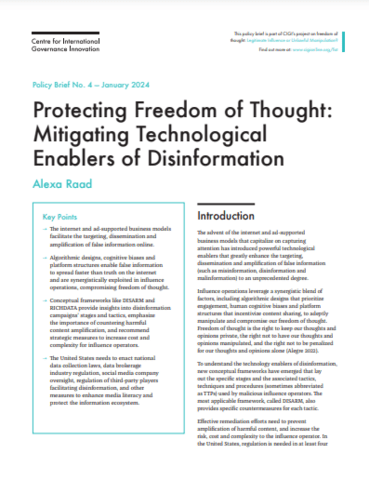
Policy report
Protecting freedom of thought: mitigating technological enablers of disinformation
In this paper, the author argues that despite the formidable challenges, disinformation is an existential threat worthy of tackling, as discerning truth from fiction is fundamental to every consequential decision societies around the world make.
Journal article
The misinformation threat: a techno-governance approach for curbing the fake news of tomorrow
The purpose of conducting this research was to investigate the influence and impacts of technology on the already-existing issue of 'fake news', and subsequently put forward recommendations to counteract it.
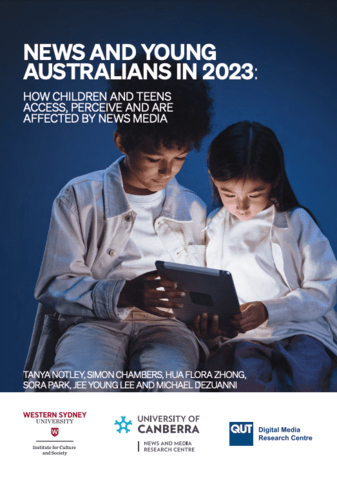
Report
News and young Australians in 2023: how children and teens access, perceive and are affected by news media
This longitudinal survey provides comprehensive findings about young Australians’ news attitudes, practices and experiences. The 2023 survey analysis shows that news plays an important role in young people’s everyday lives and most young people get news from diverse sources.

Report
Libraries and media literacy education
In 2021, the University of Canberra and the Australian Libraries and Information Association (ALIA) collaborated on a national study of ALIA members’ perceptions of media literacy education, with the view to develop a media literacy short course tailored to their needs. This report summaries the research findings.

Report
Chilling legislation: tracking the impact of 'fake news' laws on press freedom internationally
The spread of misinformation, disinformation, and mal-information (MDM) online has become one of the most pressing issues of our time. The authors of this report argue that freedom of the press is essential to democratic institutions - such as a free and open debate and public accountability, and therefore it is vital to consider how...