

Teaching methods
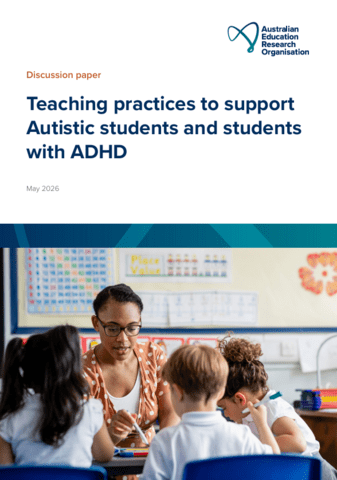
Discussion paper
Teaching practices to support Autistic students and students with ADHD
This discussion paper synthesises research on evidence-based teaching practices that support Autistic students and students with attention deficit/hyperactivity disorder (ADHD) with learning in school settings. It outlines what the current evidence for these cohorts of students indicates, what’s emerging and the implications for policy and practice in Australian schools.
Video
Lunch & learn: systematic instruction
This recorded webinar examines the concept of systematic instruction and its application to the training of people with intellectual disability to perform tasks, including those likely to be needed in workplace settings. It shares practical evidence- based insights to support people with intellectual disability to increase their practical learning and work skills.
Literature review
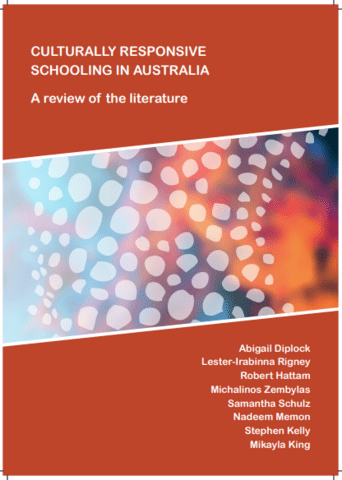
Culturally responsive schooling in Australia
This literature review is written for teachers, school leaders and teacher educators who are working to strengthen culturally responsive schooling in Australia. The review brings together three interconnected fields of scholarship: culturally responsive pedagogies, critical action research and educational leadership, to develop a coherent conceptual foundation for an Australian approach to culturally responsive schooling.
Discussion paper
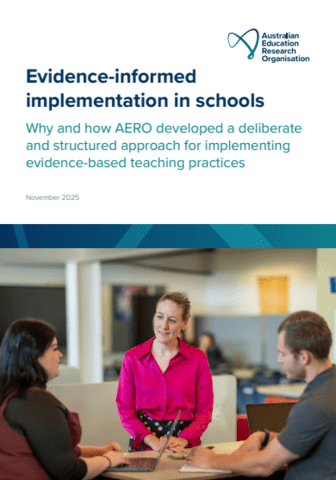
Evidence-informed implementation in schools
Effective implementation of evidence-based teaching practices in schools has the potential to benefit all Australian students. A deliberate and structured approach to implementation has been designed to support effective implementation in Australian schools. This discussion paper details why implementation matters and how the approach has been developed, tested and refined.
Guide
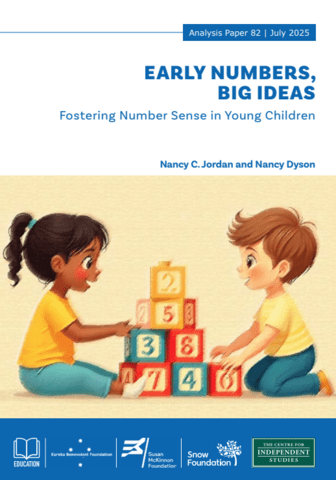
Early numbers, big ideas: fostering number sense in young children
The paper underlines the importance of developing early number sense in children, with advice and exercises for both parents and teachers. Children's trajectories in mathematics are shaped early and the development of early number sense will reap benefits in later schooling and adult life.