

Environmental impacts
Alternative labels
Coastal climate change impacts
Briefing paper
Red and processed meat in the context of health and the environment: many shades of red and green
There is growing international consensus that food systems transformation is important to address the challenges of malnutrition in all its forms, the burden of noncommunicable diseases, environmental sustainability, increasing inequality and ensuring the welfare of workers and animals. This information brief synthesizes the evidence on the role of red and processed meat production and consumption...
Report
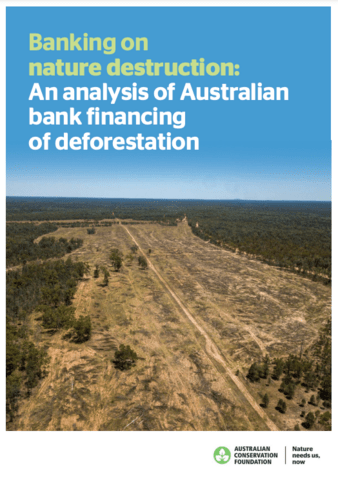
Banking on nature destruction: an analysis of Australian bank financing of deforestation
The authors of this report argue that Australian banks need to move quickly to understand their exposure to deforestation and other activities that result in harmful nature impacts, implement lending policies that require the avoidance of harm to nature, and incentivise their customers to adopt practices that will restore the health of the ecosystems all...
Report
Emerging contaminants in recycled water: final report
This report establishes the prevalence of potentially harmless substances in recycled waters, which will form the basis of starting to close the gap setting ecological, human health and recycled water-specific guidelines for many of these chemicals.

Report
Oil and gas exploration and production in the Beetaloo Basin
This report focuses on various matters raised in the interim report (2021), the regulation and specific environmental impacts of the gas industry in the Beetaloo, and concerns expressed by First Nations communities and pastoralists.
Report
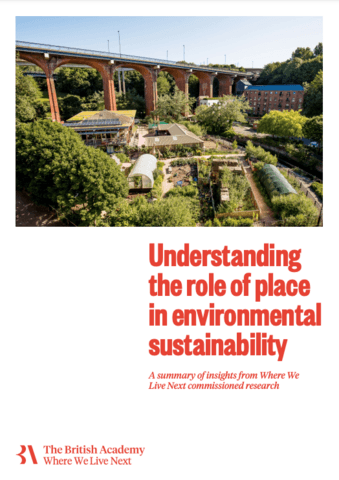
Understanding the role of place in environmental sustainability
In 2022, the British Academy commissioned six projects that examined various facets of environmental sustainability using a place-sensitive lens. This report synthesises this evidence base and brings together insights to help stakeholders better understand the role of place-sensitive policy-making and its application to environmental sustainability.