

Australia
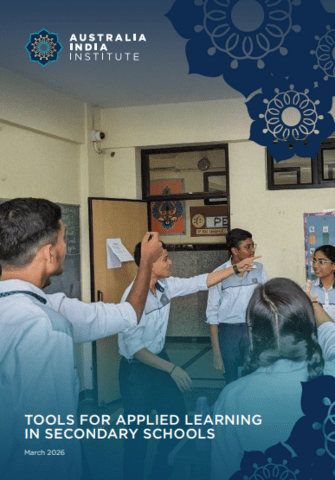
Guide
Tools for applied learning in secondary schools
The toolkit is designed to assist all school teachers in implementing applied learning across the subjects they teach. It provides teachers and school leaders with a set of flexible and adaptable guidelines and resources for designing, facilitating and assessing applied learning in a senior secondary school setting.
Infographic
2026 Status of women report card
The report card is an important mechanism for taking stock of where Australia is making progress towards gender equality, and where challenges still remain. It presents both updated and new data points for the following areas: attitudes and norms; gender-based violence; unpaid and paid care; economic equality and security; health; and leadership, representation and decision...
Report
Independent review of the HELP Debt Reduction Program: final report
The independent review assessed the design, delivery and effectiveness of the HELP debt reduction program for doctors and nurse practitioners in rural, remote or very remote areas, and teachers in very remote areas. The report contains nine recommendations to improve uptake, simplify administration and strengthen the evidence base ahead of the program’s next review.
Report
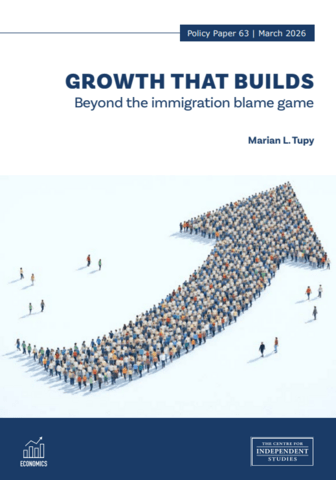
Growth that builds: beyond the immigration blame game
Immigration and housing affordability have become politically inseparable in contemporary Australia. This paper argues that Australia’s housing crisis is primarily a supply failure, not simply a population issue. It examines international and Australian evidence on migration and housing markets. It also considers the role of skilled migration in strengthening the productive capacity of the economy.
Video
Lunch & learn: towards inclusive practice for people with intellectual disability
This recorded webinar explains what intellectual disability is, why employment matters, and how inclusive practice can create better job opportunities. It highlights practical, lived‑experience insights to support more inclusive and accessible employment opportunities for people with an intellectual disability.