

Report
Report
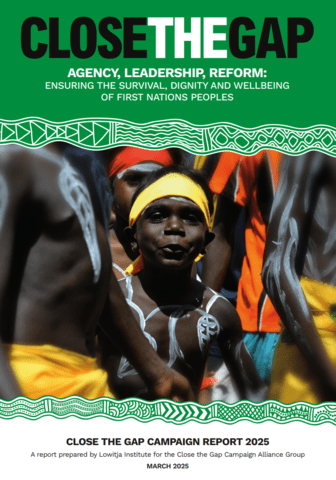
Close the gap campaign report 2025
This report describes the ongoing challenges and tangible solutions needed to close the health and wellbeing gap for Aboriginal and Torres Strait Islander peoples. The report makes recommendations across a range of areas, including calling on the Australian Government to implement the recommendations of the Productivity Commission's 2024 Closing the Gap Review and the four...
Report
Gas statement of opportunities: March 2025
A forecast of annual gas consumption and maximum gas demand, outlining the adequacy of central and eastern gas markets to supply forecast demand over a 20-year period. The report provides technical insights to support investors and governments to make informed decisions to benefit consumers. Gas consumption is expected to reduce with the switching from gas...
Report
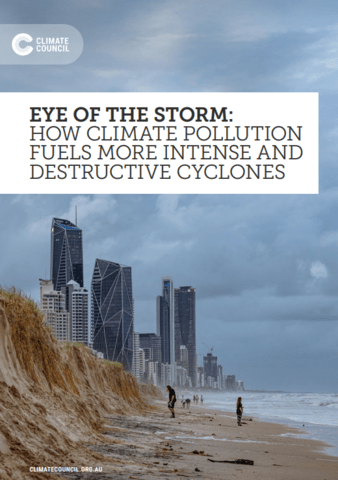
Eye of the storm: how climate pollution fuels more intense and destructive cyclones
As oceans heat up, it is predicted that Australians will experience fewer cyclones but they will be more extreme. In 2025, Tropical Cyclone Alfred caused torrential rains, coastal flooding and powerful winds across the country. This report asserts the intensity and devastation of this event was fuelled by climate pollution. It calls for rapidly cutting...
Report
Messaging apps: a report on Australian Government agency practices and policies
This review of the policies and practices of 22 agencies found messaging apps are an established feature of digital communications in the Australian Public Service, though they are regularly being used without adequate policies and procedures that reflect statutory obligations. The objective of the report is to provide information, advice and assistance to agencies around...
Report
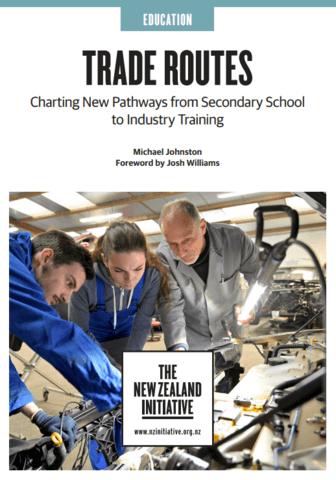
Trade routes: charting new pathways from secondary school to industry training
This report examines the challenges and opportunities for pathways from secondary education to industry and trades training in New Zealand. It highlights systemic issues and proposes comprehensive reforms to strengthen these pathways. It finds that nearly twice as many New Zealand school leavers fall into unemployment compared to those who undertake workplace-based learning.