

 SHARE
SHARE
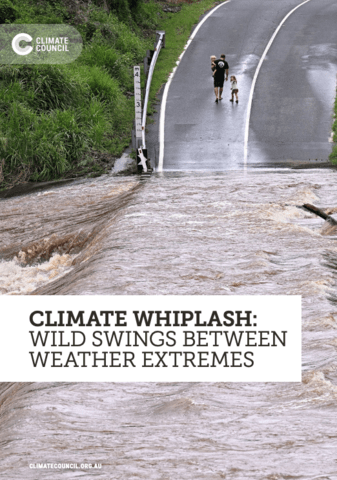
Climate whiplash: wild swings between weather extremes

In a rapidly changing climate, history may no longer be our best guide for what’s next. Our weather is noticeably more chaotic, unpredictable and dangerous. Climate drivers – recurring phenomena such as El Niño/La Niña, the Southern Annular Mode, and the Indian Ocean Dipole – may be interacting in complex new ways. Rising ocean temperatures are affecting rainfall patterns. Extreme events are becoming worse, more common, and less predictable. We are poorly prepared for these changes, and still doing far too little to tackle the root cause of the climate crisis: pollution from the relentless burning of coal, oil and gas.
In this interim report, the Climate Council presents some key observations from the summer so far. What have we learned? What has surprised our experts? What has it taught us about our changing climate, and how we need to respond? This will be followed in March by a comprehensive analysis of the summer and the urgent actions needed to protect Australian communities from further climate harm.
Key findings:
- Australians are weathering climate whiplash, as communities are hurtled between flooding rains to heatwaves and fierce fire conditions, and back again.
- In a rapidly changing climate, historical weather patterns may no longer be the best guide for what’s happening, or what’s next, as records keep tumbling.
- This summer, Australia is experiencing six, clear symptoms of an overheating planet that’s caused by pollution from coal, oil and gas.
- Australia's weather is now more chaotic, unpredictable and dangerous due to climate change, which presents challenges for us all.
