

Organisation
Organisation for Economic Co-operation and Development (OECD)
Website:
Report
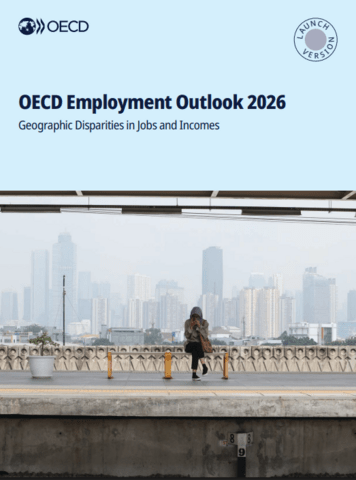
OECD employment outlook 2026
The outlook looks at the latest labour market developments and prospects in OECD member countries. This edition highlights that the geography of opportunity matters. Local labour markets are also being reshaped by trade and technology shocks. The report highlights the need for policies that support regions and help workers adapt to change.
Briefing paper
Tackling the affordability gap through increased supply of affordable and social housing
The housing affordability crisis across OECD countries reflects a persistent mismatch between supply and demand. Expanding affordable and social rental housing is central to addressing these challenges. This brief proposes that policymakers can act along two complementary tracks to ease short-term pressures while laying the groundwork for a more inclusive housing market over the long...
Survey Report
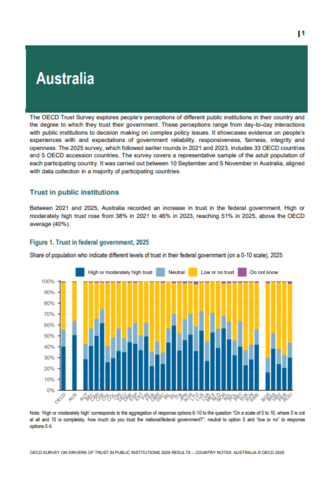
OECD survey on drivers of trust in public institutions 2026 results: Australia
The survey explores people’s perceptions of different public institutions in their country and the degree to which they trust their government. It showcases evidence on people’s experiences with and expectations of government reliability, responsiveness, fairness, integrity and openness. This country note finds that Australia recorded an increase in trust in the federal government between 2021...

Report
Growing up in the social media age
This paper reviews the impacts of social media use on young people and then explores trends in how they use social media. It analyses the associations between social media use and academic outcomes and skills. It discusses how policy can support young people in making the most of social media’s many opportunities, while protecting them.
Guide
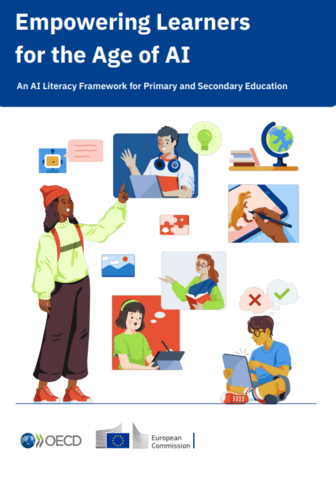
Empowering learners for the age of AI
As artificial intelligence (AI) grows across civic, professional, and social domains, education systems must equip young people to navigate and use it responsibly. This publication establishes a common framework for AI literacy, outlining desired outcomes for primary and secondary learners and guiding stakeholders in supporting those outcomes both inside and outside the classroom.