

Digital literacy
Alternative labels
Digital skills
Internet literacy
Digital learning
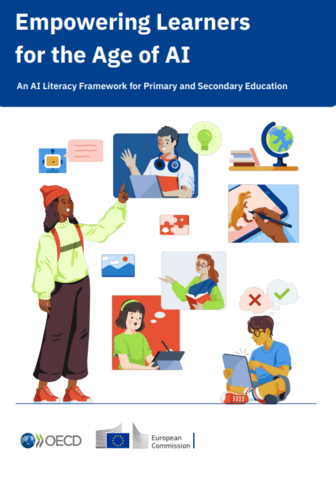
Guide
Empowering learners for the age of AI
As artificial intelligence (AI) grows across civic, professional, and social domains, education systems must equip young people to navigate and use it responsibly. This publication establishes a common framework for AI literacy, outlining desired outcomes for primary and secondary learners and guiding stakeholders in supporting those outcomes both inside and outside the classroom.
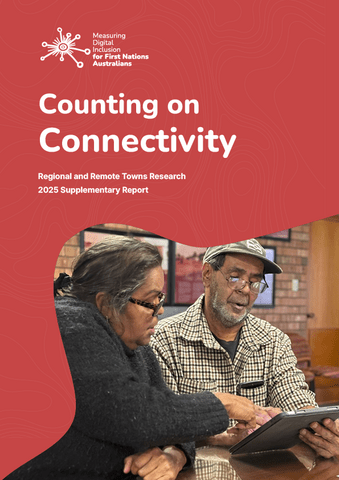
Report
Counting on connectivity: regional and remote towns research
This report presents findings from 729 surveys of digital inclusion, communications and media use among First Nations Australians in ten regional towns. It highlights barriers to digital access in rural and remote areas and provides site-specific profiles alongside aggregated analysis. Produced for Closing the Gap Target 17, it contributes to ongoing efforts to measure and...
Report
Social infrastructure for digital skills development: the role of neighbourhood houses in supporting digital inclusion
This report outlines the critical role neighbourhood houses play in supporting digital inclusion in Victoria. Neighbourhood houses are not-for-profit, community-based centres that support skills development, social connection and community participation. The report has 6 recommendations that focus on investing in neighbourhood houses as critical community infrastructure.
Journal article
How neurodivergent workers use and make sense of assistive technologies
Assistive technologies reshape how neurodivergent workers experience ability, motivation, and opportunity. Tools like screen readers reduce cognitive, sensory and socioemotional challenges, boost confidence, autonomy and agency, and lessen stigma. They also enable digital masking – concealing neurodivergence – which can expand opportunities but may create unintended negative consequences.
Report
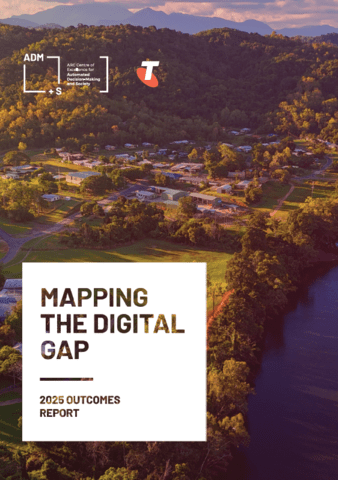
Mapping the digital gap: 2025 outcomes report
This report offers the most comprehensive data to date on communications and media use in remote First Nations communities across Australia. It highlights the vital role of affordable communications, identifies barriers to digital inclusion and identifies where further investment and programs can effectively strengthen digital inclusion in remote communities.