

Social impact
Report
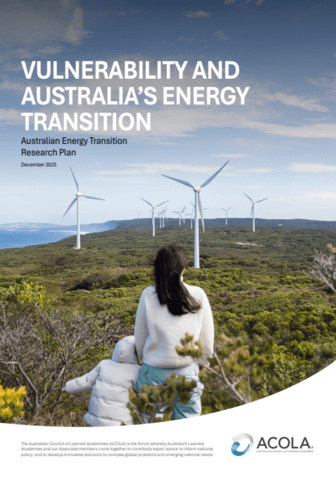
Vulnerability and Australia’s energy transition
Australia’s transition to renewable energy will reshape daily life, local communities and the national economy. This report examines how the shift to net zero may create or intensify vulnerabilities, identifies where the evidence is lacking, and outlines the research priorities needed to guide equitable, evidence-based policy.
Report
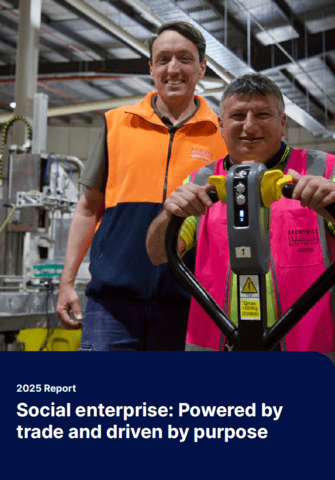
Social enterprise: powered by trade and driven by purpose
This report explores the role of trade revenue in enabling social enterprise impact in Australia. A social enterprise is a business that exists to create public or community benefit. The report presents case studies, distils key insights and delivers strategic recommendations to strengthen the resilience of social enterprises.
Report
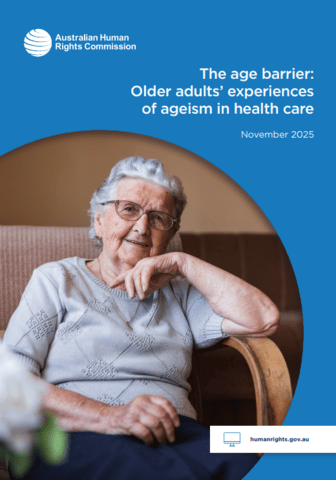
The age barrier: older adults’ experiences of ageism in health care
This report looks at how ageism affects older Australians when they access healthcare. Many patients noted they feel dismissed, spoken over or treated as 'just a number'. The report recommends making health care more respectful and inclusive: through better training for health professionals, co-designing age-friendly models of care and more research on ageism and its impacts.

Report
In their words: the power of Early Childhood Hubs
A research report sharing insights from families, practitioners and service leaders on how Early Childhood Hubs in Australia help children, families and communities thrive. The research explores what families and practitioners value most, offering insights to strengthen best practice and improve how hubs meet the needs of children and families.
Report
The lifetime price of harm: economic costs of sexual violence and the case for timely intervention in Australia
This report examines the economic costs of sexual violence in Australia. Using a lifetime and systems-based approach, it shows that the greatest costs arise not from immediate responses but from the compounding effects of untreated trauma, chronic health conditions, reduced workforce participation and sustained demand on health, justice, and social services.