

Report
 SHARE
SHARE
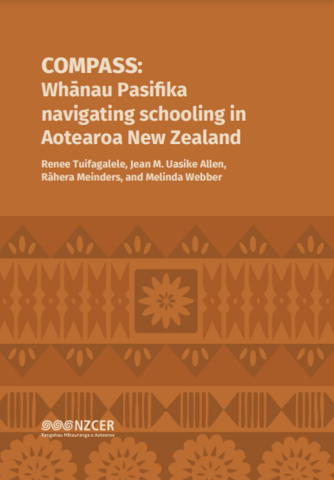
COMPASS: Whānau Pasifika navigating schooling in Aotearoa New Zealand
Publisher
Educational quality
Graduate outcomes
First Peoples education
Educational achievement
Pasifika
First Peoples families
New Zealand
Resources
| Attachment | Size |
|---|---|
 COMPASS: Whānau Pasifika navigating schooling in Aotearoa New Zealand COMPASS: Whānau Pasifika navigating schooling in Aotearoa New Zealand
|
817.66 KB |
Description
This report focuses on the perspectives of whānau Pasifika as they express their attitudes and beliefs about what success looks like for their tamariki and why success is important. It employs the Indigenous practice of wayfinding to frame discussions of success through a range of values whānau Pasifika hold, and supportive characteristics they enact that steer their tamariki towards achieving their educational aspirations.
The study identified critical factors that serve as important navigational tools for whānau Pasifika to support the educational journeys of their tamariki:
- Whānau Pasifika must be understood and engaged as wayfinders, paramount to tamariki navigating successfully in educational contexts.
- The navigation of choppy educational seas is alleviated by whānau maintenance of reciprocal relationships and positive connections to communities.
- Respect and support for tamariki Pasifika is necessarily relational, maintaining a harmony where whānau walk alongside their tamariki, co-navigating adversity, keeping their eyes on the horizon, and steering them towards success.
- Whānau Pasifika are 'edgewalkers'—helping their tamariki to adapt to being a part of the diaspora and achieving success by storying the powerful links between enacting culture and being curriculum-focused for achievement.
Publication Details
DOI:
10.18296/rep.0052
Copyright:
New Zealand Council for Educational Research 2024
Access Rights Type:
open
Post date:
5 Jul 2024
Collections
More like this
