

Wellbeing
Alternative labels
Well-being
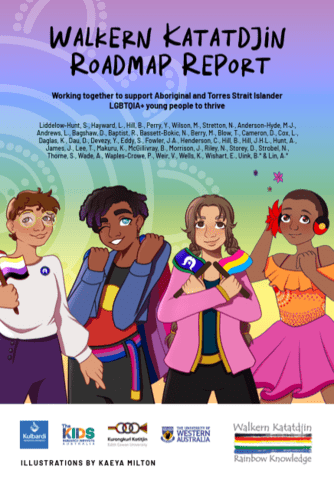
Report
Walkern Katatdjin Roadmap report
This report details a roadmap for working together to support Aboriginal and Torres Strait Islander LGBTQIA+ young people to thrive. It empowers individuals, families, communities, services, and governments, highlighting existing good work, what can be done in the future and what funding and policies are needed.
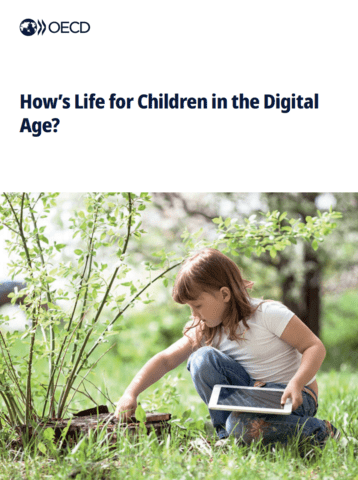
Report
How’s life for children in the digital age?
This report examines the opportunities and risks associated with children's increasing engagement in the digital world. It explores strategies to enhance child wellbeing, ensuring that children are both protected and empowered to use digital media positively. The report calls for holistic, rights-based and multi-sectoral approaches to support children's wellbeing.
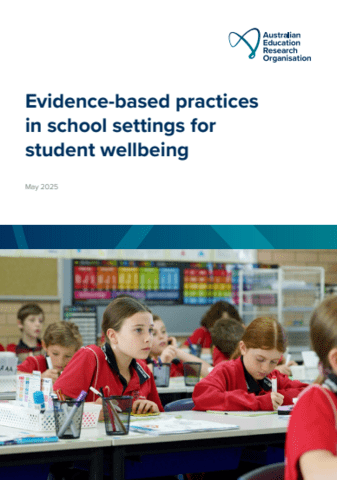
Report
Evidence-based practices in school settings for student wellbeing
This report provides insights into strategies and interventions that improve aspects of wellbeing linked to learning and clarifies the degree of evidence underpinning them. It finds that Australian education systems and sectors can have medium to very high confidence in the wellbeing strategies and interventions identified.
Report
Potential policy instruments for sustainable and inclusive wellbeing
This report presents a shortlist of potential policy instruments to promote sustainable and inclusive wellbeing regardless of economic growth. It presents a brief overview of each policy instrument, describing the main idea and providing real life examples. It also addresses technical infrastructure and governance elements that support these policies.
Journal article
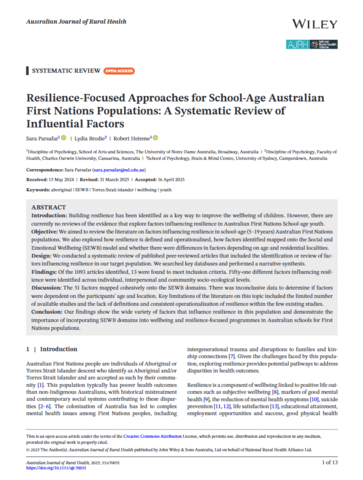
Resilience-focused approaches for school-age Australian First Nations populations: a systematic review of influential factors
This article reports on a systematic review of the literature on factors influencing resilience in school age (5–19 years) Australian First Nations populations. It describes how resilience is defined and operationalised and how factors influencing resilience map onto the Social and Emotional Wellbeing (SEWB) model. This information can facilitate evidence-based recommendations for policy, interventions and programs.