

Economic equality
Report
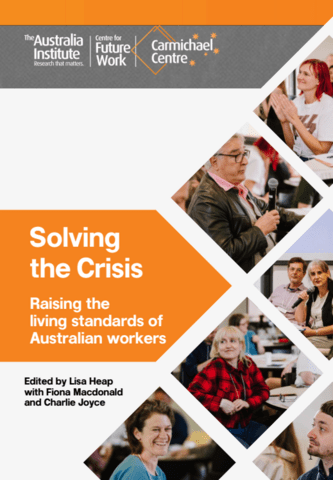
Solving the crisis: raising the living standards of Australian workers
A report on Australia’s standard of living has found that low real wages, underfunded public services and soaring prices have left many families experiencing hardship and hopelessness. The report documents the origins of the current crisis in living standards and presents a multidimensional progressive policy agenda for the Australian Government.
Report
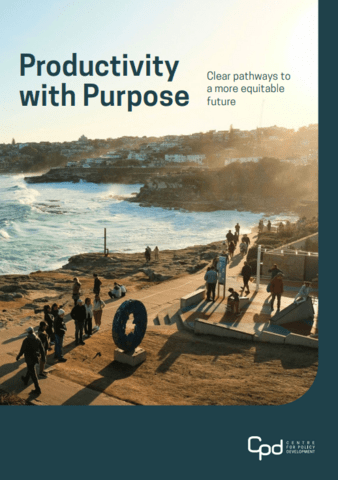
Productivity with purpose: clear pathways to a more equitable future
This report reframes the national productivity debate – arguing that rather than pursuing productivity growth for its own sake, its purpose must be clarified: to lift living standards, improve wellbeing and accelerate the transition to net zero. It lays out practical, achievable reforms and provides recommendations on three key themes: a dynamic and more resilient...
Report
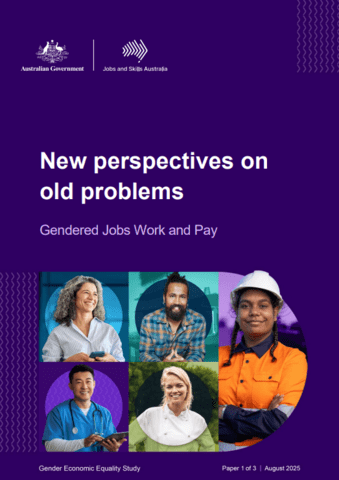
New perspectives on old problems: gendered jobs work and pay
The first in a three-part series on new perspectives on gender economic inequality, revealing how much gender shapes jobs, work and pay across Australia. The report highlights the scale of occupational segregation. It finds that despite more women participating in the workforce than ever before, men still earn more than women in 98% of occupations.
Journal article
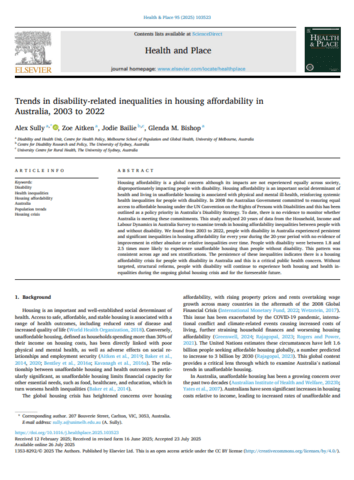
Trends in disability-related inequalities in housing affordability in Australia, 2003 to 2022
Housing affordability is an important social determinant of health and living in unaffordable housing reinforces systemic health inequalities for people with disability. This study examined trends in housing affordability inequalities between people with and without disability. It concludes without targeted, structural reforms, people with disability will continue to experience both housing and health inequalities for...
Article
We need to talk about class
This article discusses class and economic mobility in Australian workplaces and why it needs to be talked about. It shares insights suggesting that doing so is critical, not just because someone's postcode shouldn’t dictate their fortunes, but because of the economic benefits of more inclusive practices.