

Economic equality
Report
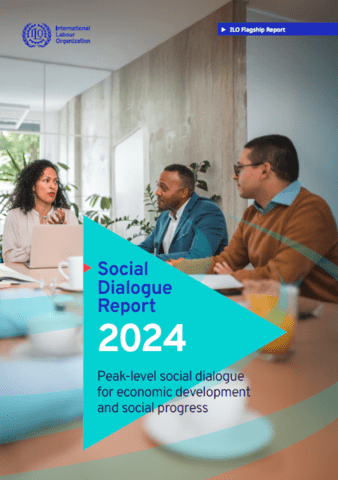
Social dialogue report 2024
This report explores the critical role of social dialogue in advancing decent work, ensuring a fair labour income distribution, addressing the challenges of the digital and green transitions and repairing the ‘frayed social contract’. It showcases examples and good practices from around the world.
Report
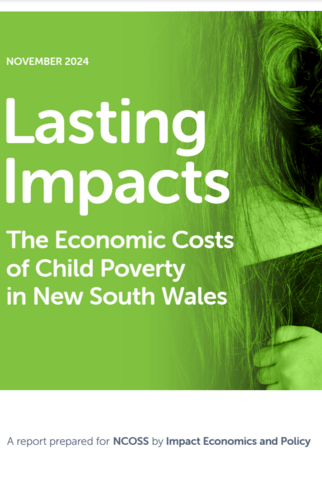
Lasting impacts: the economic costs of child poverty in New South Wales
This report reveals that child poverty costs the NSW economy approximately $60 billion annually – 7.6 per cent of the state’s Gross State Product. The report highlights the far-reaching consequences of child poverty, including reduced educational attainment, poor health outcomes, and diminished workforce participation, which perpetuate cycles of disadvantage and lead to significant social and...
Briefing paper
For our future: the Australian future generations policy brief
This policy brief responds to increasing demand for a future generations policy with an overview of measures and models that prioritise intergenerational equity. It proposes enacting a Future Generations Act, establishing an independent Commissioner for Future Generations and initiating a national conversation to ensure that current policies consider future wellbeing.

Report
Premiums under pressure
This report argues that New Zealand must make strategic decisions now about how it will respond to the impact of climate change on the insurance industry. It asserts that without policy intervention, outcomes will be regionally inconsistent and further entrench existing inequalities. The report explores various options for how New Zealand might keep residential insurance...
Discussion paper
Income inequality and democratic resilience: impacts and policy choices
This paper examines the relationship between income inequality and democratic resilience, focusing on how perceptions of economic disparity influence public satisfaction with public institutions. It finds that perceived inequality significantly affects attitudes toward the government, suggesting that addressing the disconnect between public expectations and government action on inequality could enhance democratic satisfaction.