

Rural and remote communities
Report
Evidence-based pedagogies to support online engagement of low SES, and regional, rural, and remote students
Online learning has increased significantly. Using Tasmanian data, this report outlines how a lack of pedagogical support for students studying online disproportionately impacts on students from disadvantaged backgrounds, including lower course completion rates and a reduced sense of place and belonging. It provides recommendations aimed at teachers, university leaderships and policymakers.
Report
Independent review of the HELP Debt Reduction Program: final report
The independent review assessed the design, delivery and effectiveness of the HELP debt reduction program for doctors and nurse practitioners in rural, remote or very remote areas, and teachers in very remote areas. The report contains nine recommendations to improve uptake, simplify administration and strengthen the evidence base ahead of the program’s next review.
Report
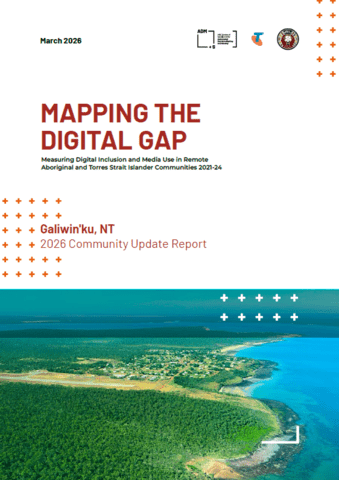
Mapping the digital gap: Galiwin'ku, NT 2026 – community update report
Galiwin’ku is the largest Yolŋu community in the East Arnhem region. This update report is intended to assist local and regional agencies, leaders and residents to better understand the barriers to digital inclusion, develop local strategies to address these barriers, and support planning and partnerships with government and industry stakeholders.
Report
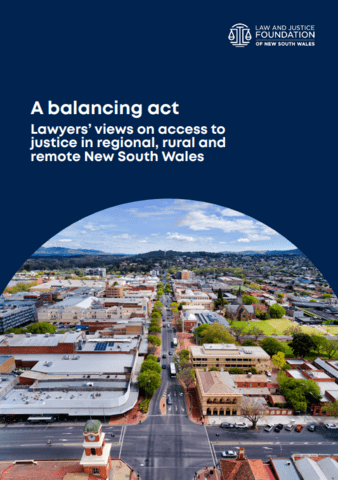
A balancing act: lawyers’ views on access to justice in regional, rural and remote NSW
Justice delivery in regional, rural and remote NSW is shaped by distance, local context and community needs. Drawing on practitioner insights, the research explores how legal services function, the barriers and supports affecting access to justice, and the potential for technology to improve service delivery and meet the legal needs of these communities.
Journal article
Placing rural in the National Disability Insurance Scheme review
This article examines the 2023 Independent Review of the National Disability Insurance Scheme (NDIS), assessing how processes, recommendations and actions considered regional, rural and remote (RRR) contexts. Findings show the Review insufficiently addressed RRR needs and offers recommendations to guide policymakers toward a more inclusive disability policy.