

Australia
Briefing paper
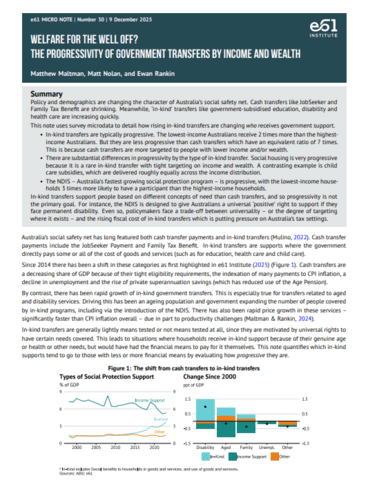
Welfare for the well off? The progressivity of government transfers by income and wealth
Policy and demographics are changing the character of Australia’s social safety net. Cash transfers like JobSeeker and Family Tax Benefit are shrinking. Meanwhile, ‘in-kind’ transfers like government-subsidised education, disability and health care are increasing quickly. This paper uses survey microdata to detail how rising in-kind transfers are changing who receives government support.
Guide
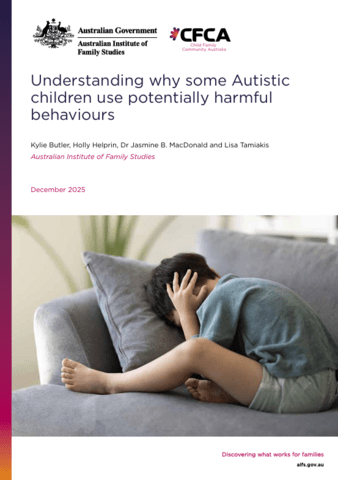
Understanding why some Autistic children use potentially harmful behaviours
This guide summarises evidence on potentially harmful behaviours (PHB) in Autistic children, showing how PHB may communicate unmet needs linked to neurodevelopmental differences. The guide is for practitioners working with children and young people, parents and families and has been developed specifically for practitioners who have less than 5 years of experience in the child...
Video
Lunch & learn: understanding neurodiversity
This recorded webinar covers the core concepts of neurodiversity and how to create safe, respectful and supportive environments for neurodivergent colleagues. It serves as a practical guide for organisations seeking to foster belonging and empower diverse perspectives.
Strategy
Growing an Aboriginal and Torres Strait Islander environmental health workforce
Aboriginal and Torres Strait Islander communities are disproportionately affected by environmental determinants of health. This roadmap proposes the establishment of a permanent, highly skilled and nationally credentialed Aboriginal and Torres Strait Islander environmental health workforce by embedding specialised roles within Aboriginal Community Controlled Health Organisations.
Briefing paper
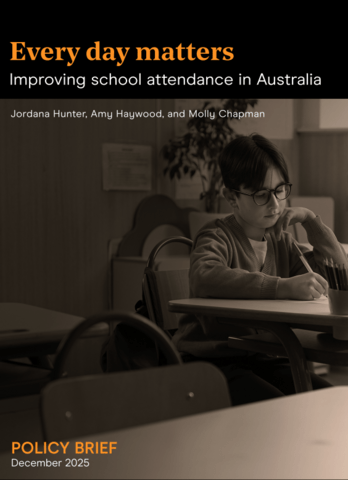
Every day matters: improving school attendance in Australia
School attendance in Australia is a big and growing problem. Federal, state, and territory Education Ministers have committed to getting school attendance back to pre-pandemic rates by the end of the decade. However, this analysis shows there is a long way to go. The brief proposes that governments should take five key first steps.