

Workforce diversity
Guide
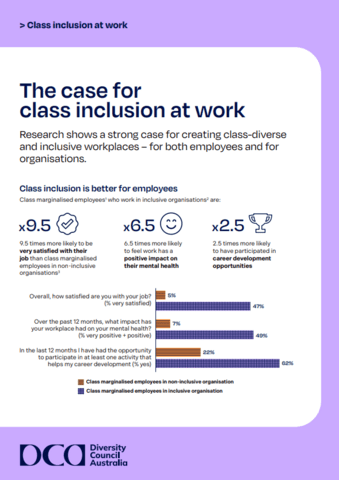
The case for class inclusion at work
A set of four guides on class inclusion at work present how organisations can recognise and respond to classism and bias in the workplace. Research shows a strong case for creating class-diverse and inclusive workplaces. The guides define class bias and present the case for class inclusion, understanding class at work, and what leaders can...
Report
Building a resilient and sustainable workforce for the future
The community services sector in Australia plays an essential role in enabling individuals and communities to reach their full potential. However, the sector is experiencing increasing challenges in attracting and retaining workers. This research sought to understand the barriers and enablers of a sustainable workforce – focused on aged care and youth worker roles.
Report
Progress report 2022–24
Australia is at the start of a renewed push to improve workplace gender equality sparked by extensive legislative reforms. This report shows in part what employers were doing in anticipation of those reforms, and the opportunities for progress that lie ahead. It details the progress achieved in relation to gender equality indicators from 2022 to...
Report
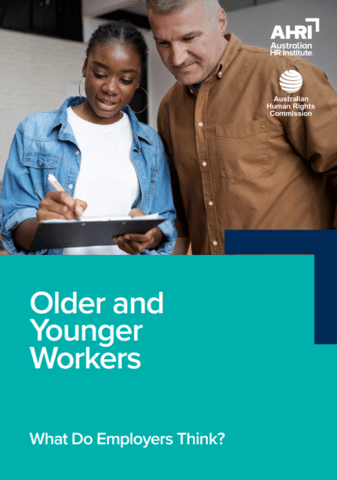
Older and younger workers: what do employers think?
The report provides a snapshot of how older and younger workers are perceived, supported and included in Australian workplaces. Despite the tight Australian labour market, the survey highlights persistent age-based barriers to employment at both ends of the age spectrum. It provides actionable insights on recruitment, lifelong learning and training, health and wellbeing, and inclusivity.
Article
We need to talk about class
This article discusses class and economic mobility in Australian workplaces and why it needs to be talked about. It shares insights suggesting that doing so is critical, not just because someone's postcode shouldn’t dictate their fortunes, but because of the economic benefits of more inclusive practices.