

Employment
Alternative labels
Jobs
Work
Report
Exploitation magnet: why the absence of labour hire licensing in NSW is attracting unscrupulous employment practices
Labour hire firms play an important role in Australia’s economy, but weak regulation has allowed unlawful operators to exploit workers, undercut legitimate businesses and evade workplace laws. This report examines the risks posed by this regulatory gap and makes the case for the NSW Government to establish a standalone labour hire licensing scheme.
Guide
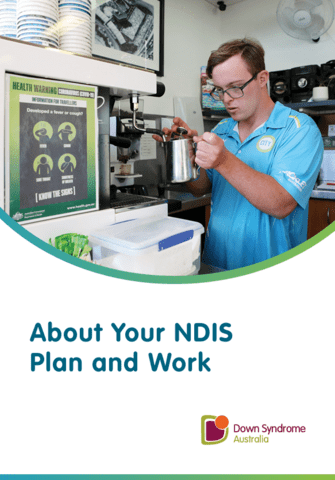
About your NDIS plan and work
Everyone should have choice and control about their employment. This guide is for people with Down Syndrome who would like advice on where they can work, how to find a job and how to get the supports they need to do their job.
Journal article
AI adoption and firm demand for workers and skills
This study analyses an Australian dataset of firm job postings to explore the effects of artificial intelligence (AI) adoption on demand for workers and skills. The findings suggest that AI adoption increases demand for new workers and skills, aligning with the view that the latest AI tools serve to augment, rather than substitute for, human...
Report
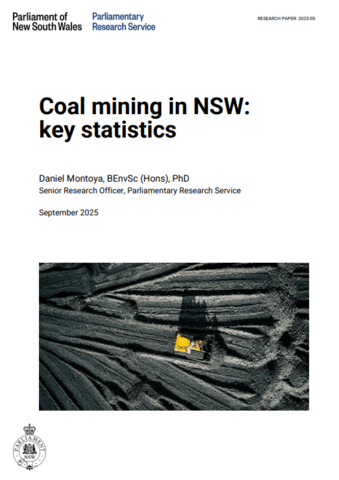
Coal mining in NSW: key statistics
This paper identifies all coal mines in New South Wales (NSW) which are operational or could become operational in future, and their current and proposed timeframes of operation. It also sets out key economic statistics on employment, production, exports and royalties. NSW has 35 operational coal mines located across the five major NSW coalfields.
Briefing paper
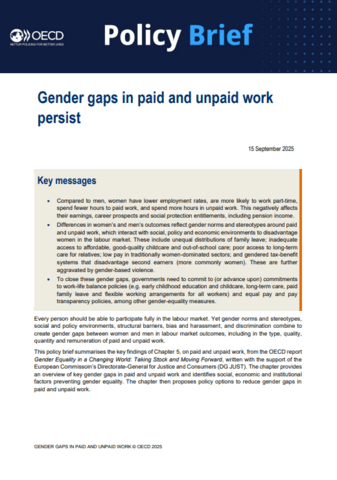
Policy brief: gender gaps in paid and unpaid work persist
This policy brief summarises key findings on gender gaps in paid and unpaid work, from the OECD report Gender equality in a changing world, identifying relevant social, economic and institutional factors preventing gender equality. It closes with relevant policy options to reduce gender gaps in paid and unpaid work.