

Environment
Alternative labels
Natural environment
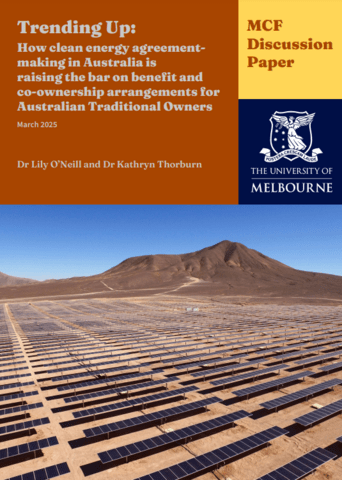
Discussion paper
Trending up: how clean energy agreement-making in Australia is raising the bar on benefit and co-ownership arrangements for Australian Traditional Owners
The clean energy transition has the potential to be very beneficial for Australian Traditional Owners on whose Country much of it will occur. However, the transition also brings significant risks. This discussion paper on native title agreements relating to renewable energy identifies five factors that are critical to success for Traditional Owners.
Report
Select Committee on PFAS (per and polyfluoroalkyl substances): interim report
This interim report provides a brief overview of PFAS (per and polyfluoroalkyl substances) in Australia and summarises some of evidence received on the extent, regulation and management of PFAS. It has a focus on the impacts of PFAS contamination on the Wreck Bay Aboriginal Community, NSW. The report provides three recommendations.
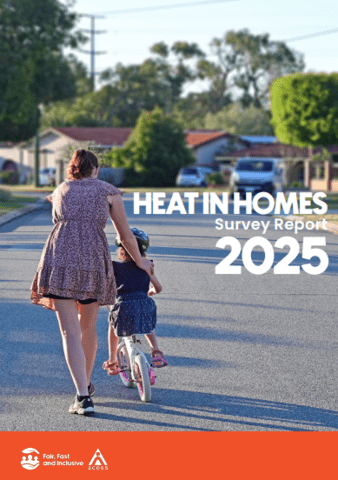
Survey Report
Heat in homes: survey report 2025
This report describes the results of a survey of 1,011 Australians which found 92% reported negative impacts, including health impacts, from their homes being too hot. First Nations people, people on income support, renters, and those with a disability or chronic medical condition were at greater risk. The report provides 16 recommendations across the areas...
Report
Too hot to think straight, too cold to panic: landing the economic case for climate action with decision makers
There is a strong case for investing in climate mitigation and adaptation based on the severe economic consequences alone. To limit global warming to 2°C by 2100, and avoid a reduction in cumulative GDP of up to 27%, investment in mitigation must increase ninefold and adaptation thirteenfold by 2050. The report identifies priority levers to...
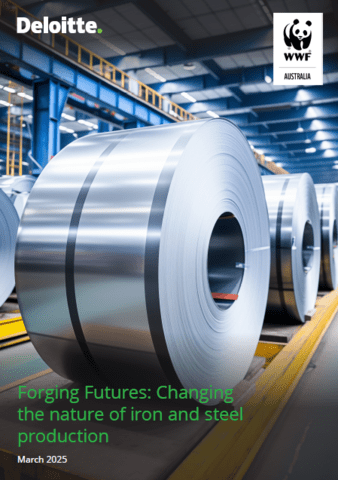
Report
Forging futures: changing the nature of iron and steel production
This report notes the imperative for the Australian Government to develop green iron manufacturing capacity as the clearest avenue for Australia to competitively move up the green steel value chain. It identifies three local priorities and three opportunities for trading partner collaboration to accelerate development of a cross-border green steel value chain.