

Environment
Alternative labels
Natural environment

Report
Changing fashion: what people want from a greener clothing industry
Reusing more existing products could radically cut resource consumption and its environmental impact. This report investigates how reuse is working in the United Kingdom for the fashion sector, where it can be challenging to make the economics stack up.
Report
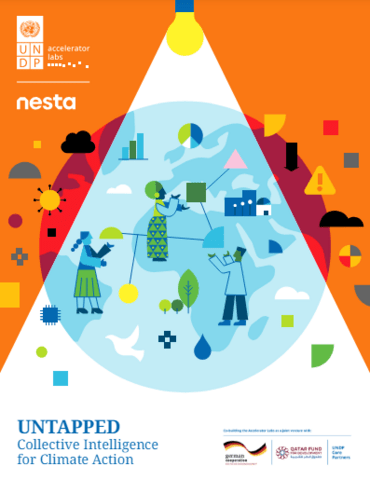
Untapped: collective intelligence for climate action
Making decisions for climate policy and action can be fraught and divisive, and compounded by the spread of mis- and disinformation. This research finds that in order for collective intelligence initiatives to have impact, three factors are critical - sustaining volunteer participation, ensuring citizen-generated data fills known evidence gaps, and getting policy-makers to act on...
Report
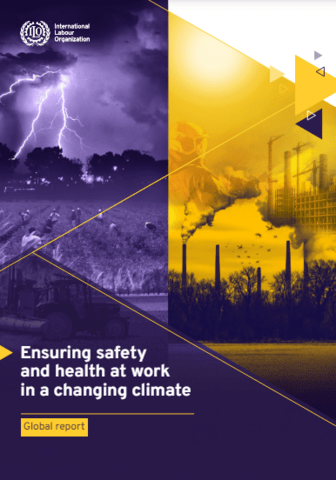
Ensuring safety and health at work in a changing climate
This report presents critical evidence related to the impacts of climate change on occupational safety and health, to bring attention to the global health threat workers are currently facing. The report authors argue that targeted policies, laws and regulations are needed, alongside effective workplace preventive measures, to protect workers from the serious impacts of climate...
Report
Red imported fire ants in Australia
This report recommends reviewing funding arrangements and allocations to ensure that the funding is adequate to eradicate red imported fire ants and investigate other models that would improve delivery and transparency in any eradication program.
Discussion paper
Red imported fire ants – the benefits of avoiding a national disaster
This paper provides some basic background on Australia’s Red Imported Fire Ant (RIFA) problem and current policies designed to address it before critiquing the most recent economic study on RIFA eradication and showing how small changes to its methodology result in cost benefit ratios that strongly support RIFA eradication.