

Neurodiversity
Alternative labels
Neurodivergent
Neurological diversity
Description
A non-pathological explanation of variations in mental functions [Wikidata]
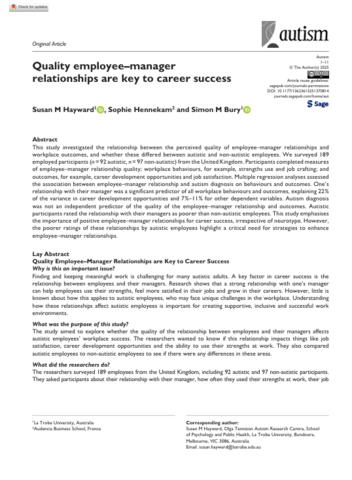
Journal article
Quality employee–manager relationships are key to career success
This study explores how the quality of employee-manager relationships influences workplace success, particularly for autistic employees. It examines whether strong relationships enhance job satisfaction, career development and the ability to use their strengths at work. They find that a strong employee-manager relationship consistently predicts workplace success for autistic employees.
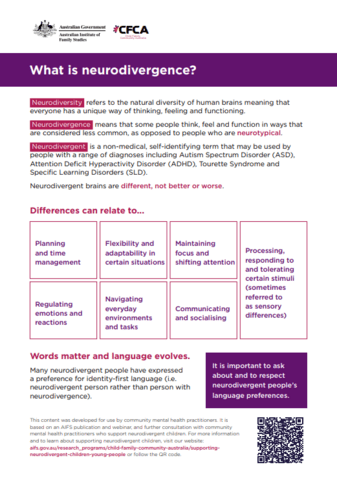
Fact sheet
What is neurodivergence?
A short accessible information sheet that defines key terms relating to neurodivergence and addresses some common misconceptions. It is accompanied by practical guides on supporting neurodivergent children and young people. The aim is to enhance readers’ basic neurodivergence literacy, lay the groundwork for further learning and promote informed discussions about neurodiversity.

Guide
How to support a neurodivergent workforce
Overlooking neurodivergent talent is a missed opportunity. This guide is a starting point for those who want to raise awareness about neurodivergence and the benefits of hiring neurodivergent candidates. It covers how employers can support neurodivergent jobseekers and employees at work through inclusive policies and practices.
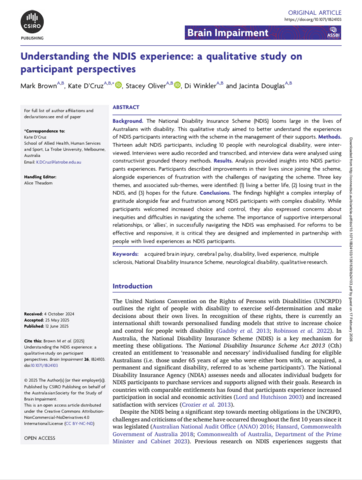
Journal article
Understanding the NDIS experience
This qualitative study aimed to better understand the experiences of National Disability Scheme (NDIS) participants with complex disability. Participants welcomed increased choice and control but expressed concerns about inequities and difficulties navigating the scheme. The article highlights the importance of partnering with people with lived experience to design and implement NDIS reforms.
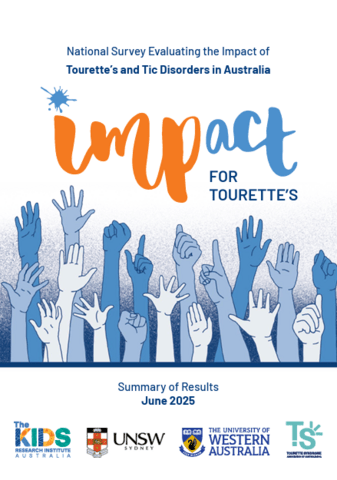
Survey Report
National survey evaluating the impact of Tourette’s and tic disorders in Australia
This report contains key recommendations to help improve the lives of those impacted by Tourette Syndrome and other tic disorders. The findings are relevant to individuals with tic disorders, their caregivers, medical and allied health professionals who support diagnosis and treatment, and teachers and employers who play an integral role in supporting their needs in...