

Environment
Alternative labels
Natural environment
Report
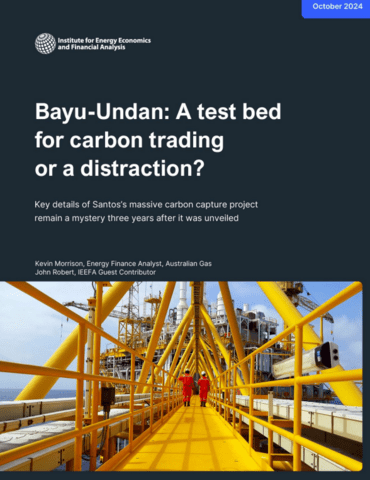
Bayu-Undan: a test bed for carbon trading or a distraction?
In 2021, Australian gas producer Santos unveiled ambitious plans to turn the near depleted Bayu-Undan gas field in the Timor Sea into a carbon capture and storage (CCS) facility. In the three years since, Santos has yet to disclose the costs or provide technical details on the world’s largest CCS venture proposal. The project also...
Working paper
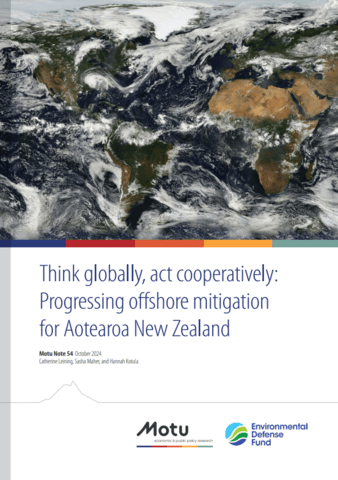
Think globally, act cooperatively: progressing offshore mitigation for Aotearoa New Zealand
By supporting developing countries to reduce emissions through offshore mitigation, New Zealand hopes to boost its global climate contribution beyond the domestic. This paper looks at the country's failure to deliver on the offshore mitigation targets set in the Paris Agreement, outlining the context, challenges, and enablers to boost international cooperation. This paper argues that...

Report
Renewables 2024: analysis and forecasts to 2030
A comprehensive, country-level analysis tracking progress towards global energy targets, this report forecasts the deployment of renewable energy technologies while exploring challenges and identifying barriers preventing faster growth. The report finds that global renewable capacity is expected to grow by 2.7 times by 2030 but still falls short of the targets set at COP 28.
Report
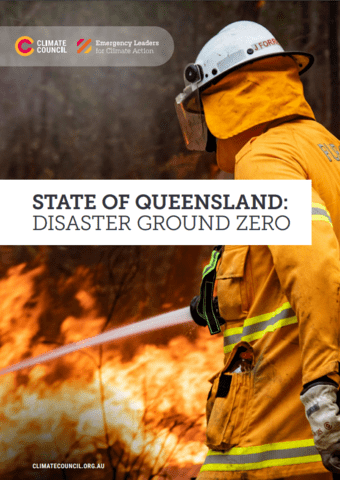
State of Queensland: disaster ground zero
Queensland may be known as the Sunshine State, but it’s also Australia’s ground zero when it comes to climate fuelled disasters. This report calls on the Queensland Government to stop approving new or expanded coal and gas projects, grow firefighting capacity and help households and communities better prepare for increasing climate risks.
Briefing paper
Understanding net zero
Achieving net zero emissions is essential to limit the impacts of climate change. Once net zero is reached, global mean surface temperature will likely stabilise. However, more substantial cooling of the planet can be accomplished by striving for net negative emissions, which will reduce climate risks further.