

Environment
Alternative labels
Natural environment
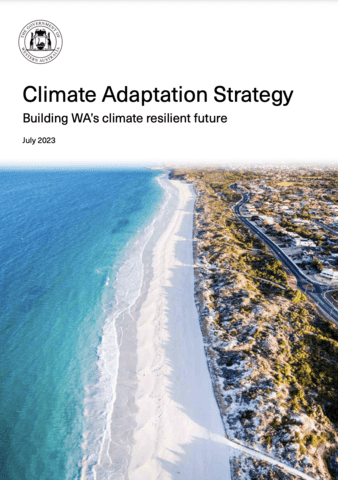
Strategy
Climate adaptation strategy: building WA’s climate resilient future
Western Australia is already experiencing the impacts of climate change, including more frequent and severe droughts, heatwaves, high-risk bushfire weather, extreme rainfall events and rising sea levels. This strategy document has been developed to help Western Australia’s communities, environment and economy adapt to the changing climate in a forward-looking manner.
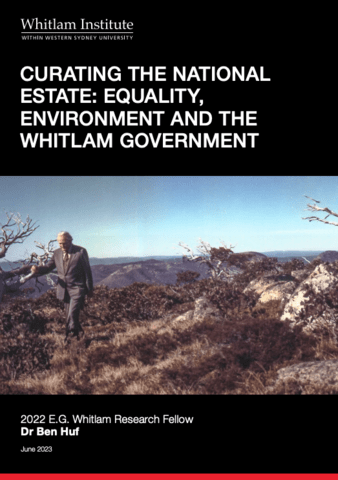
Essay
Curating the National Estate: equality, environment and the Whitlam Government
In this publication, E.G. Whitlam Research Fellow, Dr Ben Huf, examines the the lasting impact of the Whitlam Government's urban and environmental policies to provide an alternative narrative to the economic dramas of crisis, reform and neoliberal globalisation that have dominated Australia's policy landscape over the last 40 years.
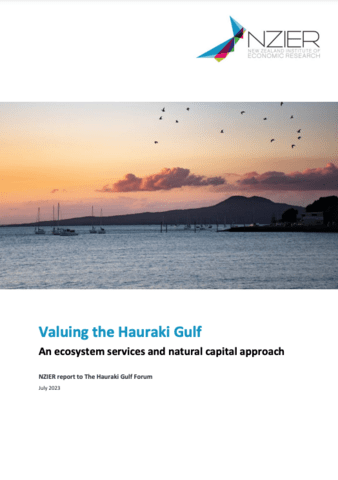
Report
Valuing the Hauraki Gulf: an ecosystem services and natural capital approach
The objective of this research is to estimate the value of the Hauraki Gulf using an approach that is useful for a range of assessments about how to consume, manage, conserve and protect the natural environment.
Working paper
Review of emissions data and modelling systems (Phase 1): report
This report reviews greenhouse gas emissions and climate change mitigation data and models used in Aotearoa New Zealand. The authors make some recommendations on modelling capacity, data availability and accessibility and oversight/synthesis of the different types of models used.

Briefing paper
Promoting mental health in a changing climate: children and young people as a priority population group
Climate change-related concerns in children and young people are amplified by climate change related misinformation on social media. Therefore, the authors of this paper argue that programs that promote children’s and young people’s mental wellbeing, including appropriate resourcing for schools, and national evidence-based guidelines on climate change misinformation, must be developed.