

Neurodiversity
Alternative labels
Neurodivergent
Neurological diversity
Description
A non-pathological explanation of variations in mental functions [Wikidata]
Guide
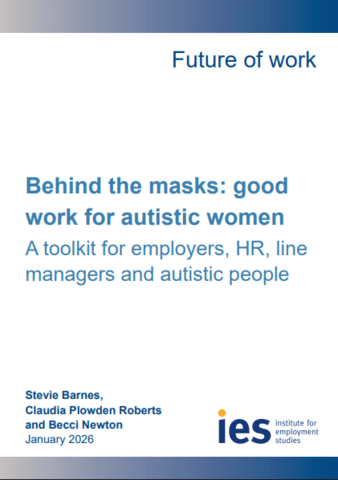
Behind the masks: good work for autistic women
This toolkit explores what good work means for autistic women and how employers can build genuinely inclusive workplaces. Drawing on in‑depth interviews, it shows many women are underdiagnosed, misunderstood, and often mask traits, leading to stress and burnout. It offers key insights, case studies and recommendations to embed personalised support, inclusive attitudes and informed leadership.
Fact sheet
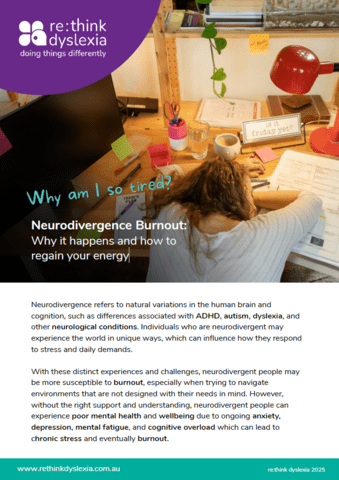
Neurodivergence burnout
This factsheet outlines the causes of burnout for neurodivergent people, how to prevent it, and the steps workplaces can take to create safer, more supportive environments. It also provides practical guidance on recovering from burnout, rebuilding energy, and accessing appropriate support to improve wellbeing and long‑term sustainability.
Video
Lunch & learn: understanding neurodiversity
This recorded webinar covers the core concepts of neurodiversity and how to create safe, respectful and supportive environments for neurodivergent colleagues. It serves as a practical guide for organisations seeking to foster belonging and empower diverse perspectives.
Guide
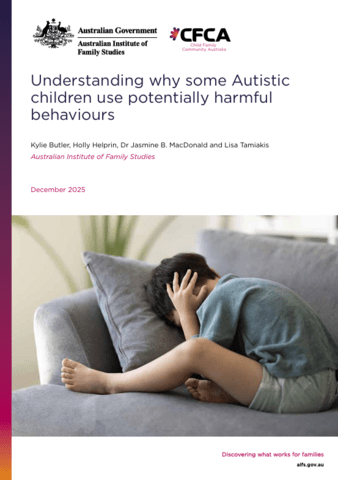
Understanding why some Autistic children use potentially harmful behaviours
This guide summarises evidence on potentially harmful behaviours (PHB) in Autistic children, showing how PHB may communicate unmet needs linked to neurodevelopmental differences. The guide is for practitioners working with children and young people, parents and families and has been developed specifically for practitioners who have less than 5 years of experience in the child...
Video
Lunch & learn: rethinking dyslexia in the workplace
This recorded webinar explores how the social enterprise Re:think Dyslexia addresses the intersection of dyslexia with gender, employment, education and health. It emphasises the importance of rethinking workplace practices to better support neurodivergent individuals, particularly those with dyslexia.