

Monitoring and evaluation
Alternative labels
Government performance
Monitoring and Evaluation Framework
Evaluation
Guide
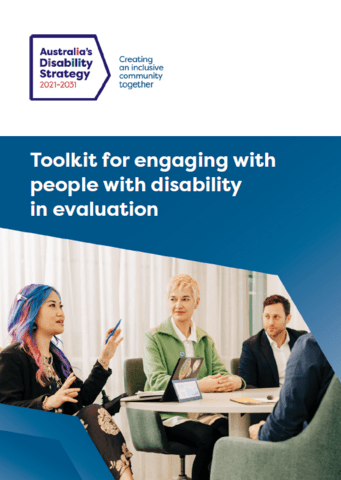
Toolkit for engaging with people with disability in evaluation
This toolkit supports the 1 in 5 Australians who identify as having a disability by helping to make sure their voices are heard and respected. It explains what an evaluation is and how people with disability can get involved. For the people who plan and run evaluations, it gives advice on how to make evaluation...
Strategy
Treasury evaluation strategy: embedding a culture of evaluation
This strategy explains the approach to evaluation at the Australian Department of the Treasury. Treasury recognises that effective monitoring and evaluation is important at all stages of the policy cycle. The strategy outlines a set of strategic priorities and actions to support evaluation planning, delivery and capability in Treasury.
Report
PFAS contamination in waterways and drinking water supplies throughout New South Wales
This inquiry was established after media reports revealed that elevated levels of PFAS 'forever chemicals' had been detected in parts of Sydney’s drinking water. The report concludes no single jurisdiction can tackle this problem alone and recommends the government work with state and federal governments to support the phase-out of all non-essential uses of PFAS...
Report
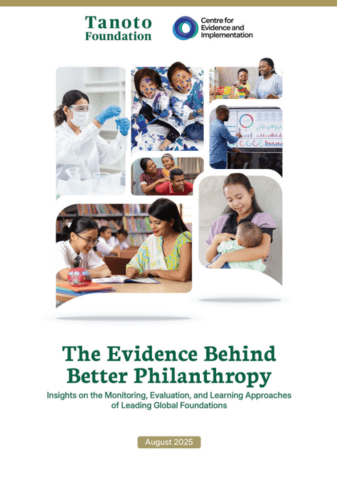
The evidence behind better philanthropy
This global study shows how leading philanthropic foundations are harnessing monitoring, evaluation and learning activities to drive strategic decision-making and support efforts to drive systemic change. The findings are instructive in documenting key lessons from real-world practice and in providing a sense of trends and benchmarks. Ten key themes emerge from the study.
Report
National Women’s Health Strategy 2020–30 monitoring and reporting framework
The National Women’s Health Strategy 2020-2030 outlines Australia’s national approach to improving health for all women and girls in Australia. This initial baseline report provides a current state assessment of the strategy, considering how it has been implemented from its commencement in 2020 to May 2024. It identifies five improvements and five gaps.