

Justice

Report
The relationship between pornography use and sexual violence in Australian men
Concerns have been raised regarding pornography’s influence on sexual violence, particularly among men. Questions remain regarding the strength of this association, including among Australian men, and its underlying mechanisms. The study provides valuable information to inform measures to prevent and counteract any potential negative impacts of violent pornography on sexual behaviour.
Report
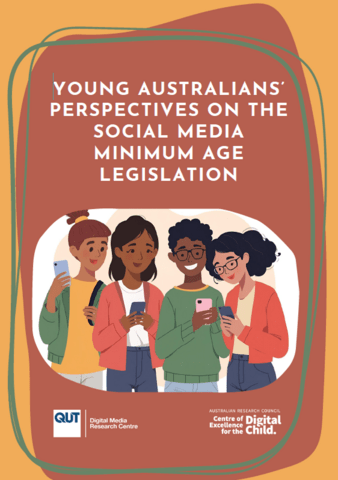
Young Australians’ perspectives on the social media minimum age legislation
Prior to the implementation of Australia’s Social Media Minimum Age Act 2024, this report documents young people’s views. Social media is described as integral to their wellbeing, education and relationships, despite recognised risks. Respondents express doubts about the under‑16 restriction, cite inadequate consultation and identify limited assistance for the transition beyond December 10, 2025.

Report
Taxing tobacco into illegality
Australia’s tobacco control policy has reached a breaking point. Since 2019–20, revenue has persistently fallen short of forecasts and an illicit market has expanded. This paper explains how split responsibilities and misaligned incentives have produced this outcome. The paper calls for bold policy change, summarised in three key recommendations.

Briefing paper
How crime rates in NSW compare to the rest of Australia
A study comparing crime and safety in New South Wales (NSW) with other Australian states and territories for violent and property crime. Overall, the analysis demonstrates that crime rates in NSW are generally low compared to other Australian states and territories. However, sexual assault stands out as an offence of concern.
Report
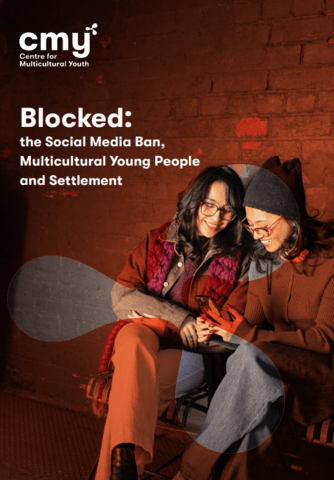
Blocked: the social media ban, multicultural young people and settlement
The report presents research undertaken in the lead-up to the implementation of the Australian Government’s Online Safety Amendment (Social Media Minimum Age) Act 2024. The paper centres the voices of multicultural and newly arrived young people to examine how the proposed under-16 social media restriction intersects with settlement, belonging, education, wellbeing and access to information.