

Built environment
Report
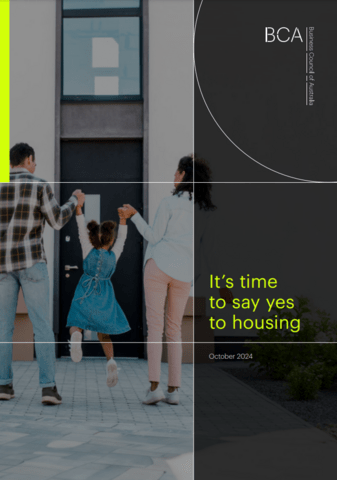
It's time to say yes to housing
Australian housing remains some of the most expensive in the world. This report argues that current policy foundations overburden the construction and housing industry and must be addressed in order to end the housing crisis. It presents advice and recommendations, stressing the urgency of the housing situation and calling for swift and widespread regulatory reform.
Discussion paper
Proactive investment: policies to increase rates of active transportation
As Australia’s cities continue to grow, policies that incentivise more people to walk, cycle, and ride electric devices could help reduce congestion. However, less than 1% of federal road funding is spent on active transportation. This paper argues that unless funding is increased, Australia will continue to lack the infrastructure needed to reduce car dependency.
Report
Flood failure to future fairness
This report outlines the findings and recommendations from a year of investigation by the House of Representatives Standing Committee on Economics into the collective failure of insurers to meet their obligations after the 2022 floods. This report details 86 recommendations to improve claims management, improve the transparency of reporting, lower premiums for households and improve...
Report
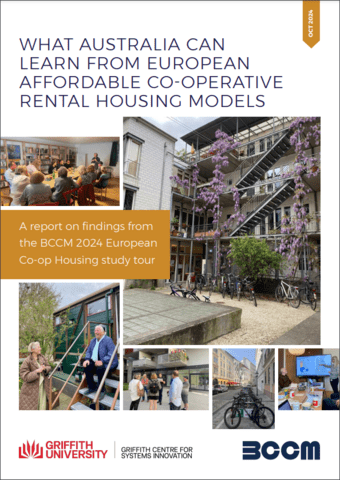
What Australia can learn from European affordable co-operative rental housing models
Federal funding for co-operative housing could be a game-changer for how we define and deliver affordable housing, according to this report. It finds that by integrating co-operative principles into policy and development frameworks, Australia could address housing challenges effectively, promote community resilience, and create more livable cities.
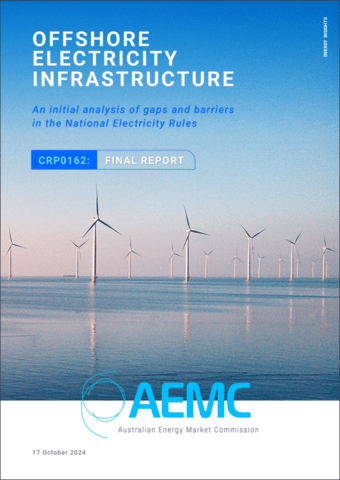
Report
Offshore electricity infrastructure
A high-level gap analysis of how the existing National Electricity Rules relate and apply to potential offshore electricity infrastructure (OEI) development. The paper focuses on harmonising onshore and offshore regulation and identifies gaps, barriers and opportunities for reform. It concludes that while it is both feasible and preferential to accommodate OEI development within the existing...